
How to Choose the Right Jump Starter for Your Engine Size

“Peak amps,” “cranking amps,” “800A,” “2000A” — jump starter listings throw numbers at you with no context, and buying wrong means the unit either won’t turn your engine over or you overpaid for capacity you’ll never touch. Worse, the number splashed across the box (peak amps) isn’t even the number that starts your car. Here’s how to size a jump starter to your actual engine so it cranks on the first try, in the cold, for years.
Step-by-step: Sizing a Jump Starter
- Know which amp rating matters. Peak amps is a split-second burst — the marketing headline. Cranking amps (CA/CCA) is the sustained current your starter motor actually needs to spin the engine. Compare the cranking figure between units, not just the big peak number.
- Match output to engine type:
- 4-cylinder / small gas (up to ~3.0L): 400–600 peak amps is plenty.
- V6 / V8 gas: 600–1,000+ peak amps.
- Light diesel (up to 3.0L): 1,000–1,500 peak amps.
- Mid-size diesel truck (3.0–6.0L): 1,500–2,500 peak amps.
- Heavy-duty diesel (6.6L / 6.7L / 7.3L+): 2,500–4,000+ peak amps.
- Add a margin for cold. Cold thickens oil and cuts a battery’s output, so cranking demand rises in winter. If you live somewhere cold, size up one tier.
- Pick a battery chemistry. Lithium is light, holds its charge, and excels in cold weather and everyday carry — but can struggle on a totally flat battery. Lead-acid jump boxes are heavy but deliver sustained cranking for repeated attempts and big diesels. Most drivers want lithium.
- Pay for the features that matter: USB-C Power Delivery (doubles as a phone/laptop power bank), a high “jumps per charge” rating, smart reverse-polarity clamps, a built-in work light, and an air-compressor combo for roadside flats.
Safety note: never buy purely on the peak-amp headline for a diesel — sustained cranking current is what spins a high-compression engine.
Pro Tips
- Cold math: a battery can lose roughly a third of its cranking power near 0°F. Size for the worst morning you’ll actually face, not a mild day.
- For a glovebox unit you rarely recharge, “jumps per charge” matters more than peak amps.
- A 1,000A lithium unit is the sweet spot for most gas cars and SUVs — real headroom without diesel-truck bulk or price.
Common Problems & Fixes
- “Rated 2,000A” but won’t start my diesel → peak isn’t cranking amps. A big diesel needs sustained current and possibly a lead-acid or dual-battery-rated box.
- Cranks slowly in winter → undersized for cold. Move up a tier.
- Bought huge, use half → over-bought. For a commuter gas car, a compact lithium is all you need.
Related on GarageVetted
- Buying guide: Best Jump Starter to Pick in 2026
- How to Use a Portable Jump Starter to Start a Dead Car (Safely)
- How to Maintain a Jump Starter So It Works in an Emergency
Matching a Jump Starter to Your Engine
The number that matters most on a jump starter is not the headline “peak amps” — it is the sustained cranking current the unit can actually deliver. Peak amps are a brief burst; cranking amps do the real work of turning over a cold engine. As a rough guide, a 4-cylinder gas engine is happy with a smaller jump starter, a V6/V8 wants more, and diesels need the highest-rated units.
Also weigh battery capacity (mAh or Wh): a bigger battery means more jump attempts and USB power for devices, but more weight. Buy a jump starter rated a step above your engine so cold mornings are not a gamble. For battery transport and safety rules on lithium jump starter packs, see faa.gov.
Related reviews
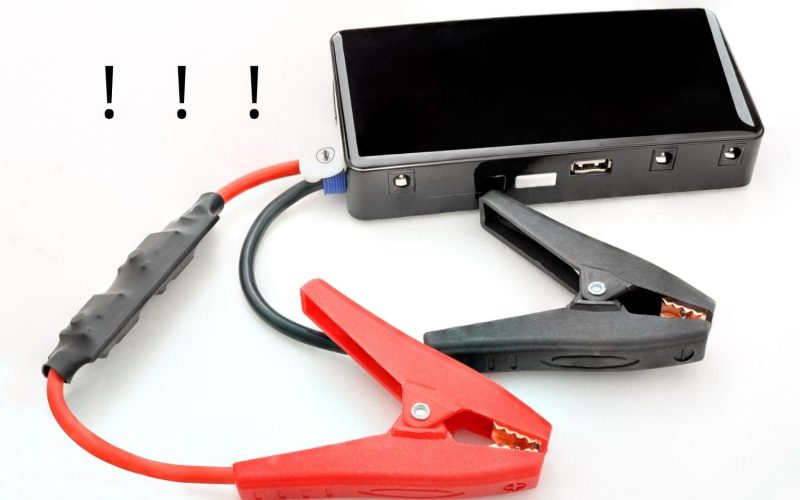
11.1V vs 14.8V Jump Starters: What Really Determines Starting Power?
Peak amps dominate jump starter advertising, but that headline number does not tell you how well a portable booster will…
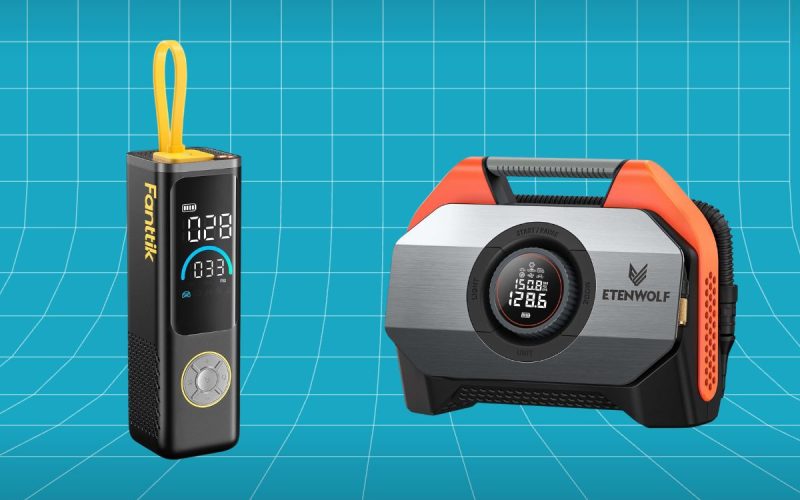
Fanttik X9 APEX vs ETENWOLF VORTEX S6: Premium Tire Inflator Showdown
Fanttik X9 APEX vs ETENWOLF VORTEX S6: Premium Tire Inflator Showdown The Fanttik X9 APEX vs ETENWOLF VORTEX S6 matchup…

What PSI Should Car Tires Be? The Right Pressure for Every Vehicle
What PSI Should Car Tires Be? The Right Pressure for Every Vehicle What PSI should car tires be? For most…