
What PSI Should Car Tires Be? The Right Pressure for Every Vehicle

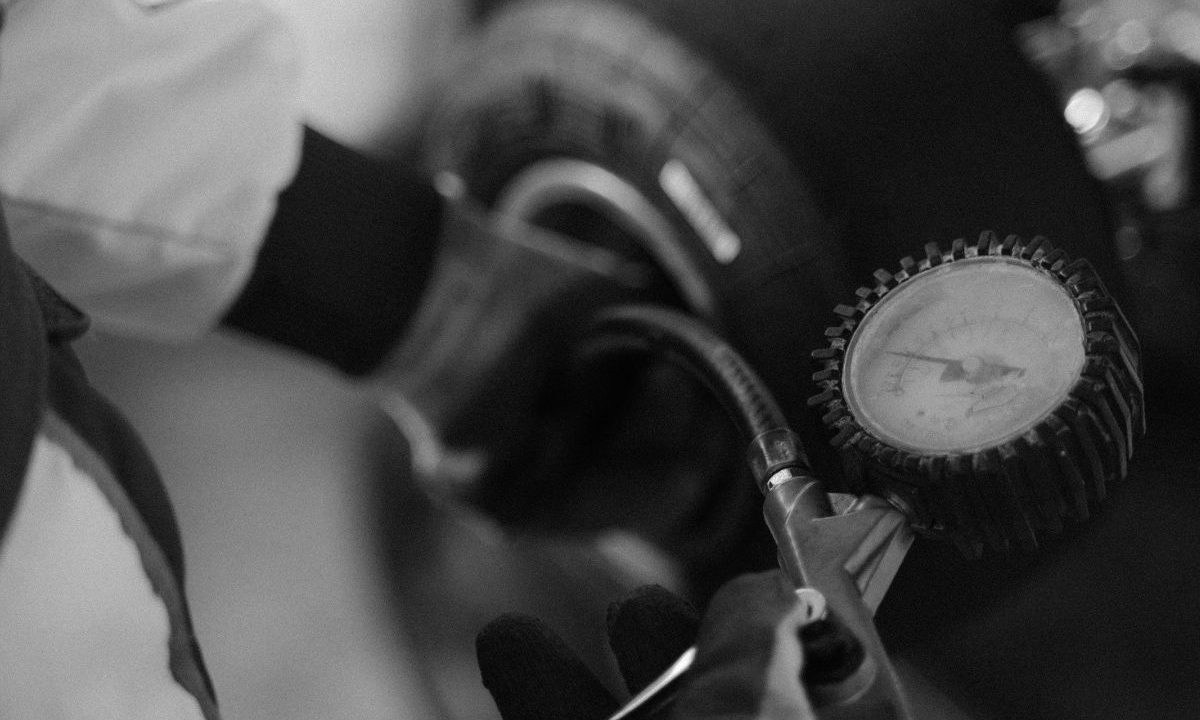
What PSI Should Car Tires Be? The Right Pressure for Every Vehicle
What PSI should car tires be? For most passenger cars the answer lands between 32 and 36 PSI, measured cold — but the only number that’s actually correct for your car is printed on a sticker you’ve probably never read: the placard inside the driver’s door jamb. That figure comes from your automaker’s engineering for your exact vehicle, and it beats anything a tire shop, forum, or the tire itself tells you. Here’s how to find your number, what the common ranges look like by vehicle type, and the two classic mistakes that put drivers at the wrong pressure with total confidence.
Where Your Real Number Lives
Open the driver’s door and look at the door jamb (or the edge of the door itself): a yellow-and-white tire placard lists cold inflation pressures for front and rear tires — sometimes different front-to-rear — plus the spare. The same data appears in the owner’s manual. That placard is a federal requirement, and the NHTSA’s TireWise guidance is unambiguous that it’s the figure to follow.
The number it is not: the “MAX PRESS” molded into the tire sidewall. That’s the tire’s structural ceiling, not a recommendation — inflating to it rides harsh, wears centers, and cuts grip. It’s the single most common pressure mistake, and we unpack it fully in our can-you-overinflate guide.
Typical Cold-Pressure Ranges by Vehicle
- Sedans, hatchbacks, coupes: 32–36 PSI
- Crossovers and SUVs: 33–38 PSI
- Half-ton pickups: 35–45 PSI (often higher rear when loaded)
- Heavy-duty trucks with LT tires: 45–80 PSI per the placard and load
- Motorcycles: commonly 28–42 PSI — always the manual’s figure, it’s a handling-and-safety spec
- Bicycles: 30–65 PSI for mountain/hybrid, 80–110 PSI for road — printed on the tire’s own sidewall as a range
- RVs and trailers: frequently 80–110 PSI, set against actual axle weight
Treat these as orientation, not instruction — the placard wins every tie.
“Cold” Is Half the Spec
Placard pressures are cold pressures: measured before driving, or after roughly three hours parked. Driving heats tires and raises readings by several PSI — so checking at a gas station mid-errand and “correcting” down to the placard number actually leaves you underinflated once things cool. Check in the driveway before the day starts. Temperature swings move pressure too (roughly 1 PSI per 10°F), which is why the first cold snap of fall lights up TPMS dashboards nationwide — the full story is in our cold-weather pressure guide, and the companion mystery of a light that stays on has its own explainer.
Front and Rear Can Differ — Read Both Lines
Plenty of vehicles specify different pressures front and rear (weight distribution, drivetrain, load design). Set each axle to its own line. And after any tire swap to a different size than factory, the placard number may no longer apply — a tire shop should recalculate; the sidewall max still isn’t the answer.
Keeping It There: The Two-Minute Monthly Habit
Tires lose roughly 1 PSI per month through normal permeation, so “set and forget” quietly becomes “underinflated by Thanksgiving.” The routine that works: once a month, cold, all four plus the spare. A digital tire inflator with a target-set gauge and auto shut-off turns the whole ritual into two minutes — dial the placard number, attach, walk to the next wheel. Our step-by-step inflator guide shows the technique, our ranked best tire inflators covers the tools we’ve vetted for exactly this job — and accuracy is no longer a premium feature, even in the budget tier.
Bottom Line
Your PSI is on the door jamb — probably 32–36 if you drive a car, higher for trucks and RVs — measured cold, checked monthly, and never set to the sidewall max. Get the number right once, make the two-minute habit stick, and you’ve handled the cheapest, highest-leverage maintenance item your vehicle has: better fuel economy, longer tire life, shorter stops, and a TPMS light you almost never see.
Related reviews
11.1V vs 14.8V Jump Starters: What Really Determines Starting Power?
Peak amps dominate jump starter advertising, but that headline number does not tell you how well a portable booster will…
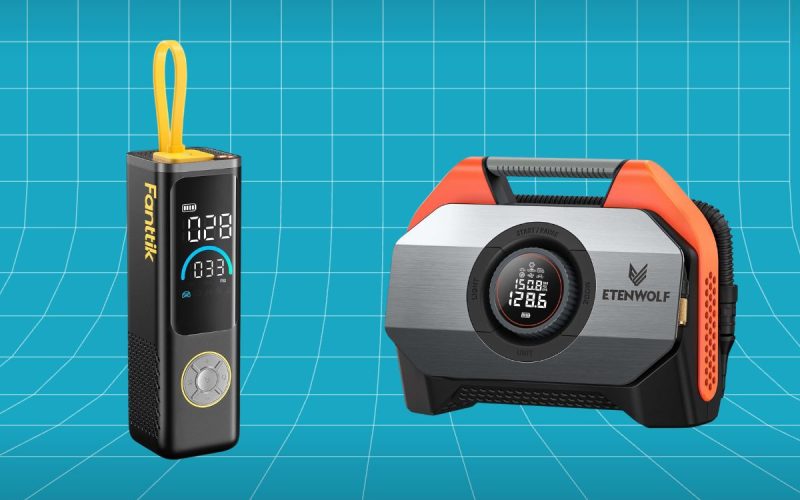
Fanttik X9 APEX vs ETENWOLF VORTEX S6: Premium Tire Inflator Showdown
Fanttik X9 APEX vs ETENWOLF VORTEX S6: Premium Tire Inflator Showdown The Fanttik X9 APEX vs ETENWOLF VORTEX S6 matchup…
Can You Overinflate a Tire? Max PSI vs Recommended PSI, Explained
Can You Overinflate a Tire? Max PSI vs Recommended PSI, Explained Can you overinflate a tire? Yes — easily, and…