
Tire Pressure Light On After Filling Tires? Here’s Why (and the Fix)

Tire Pressure Light On After Filling Tires? Here’s Why (and the Fix)
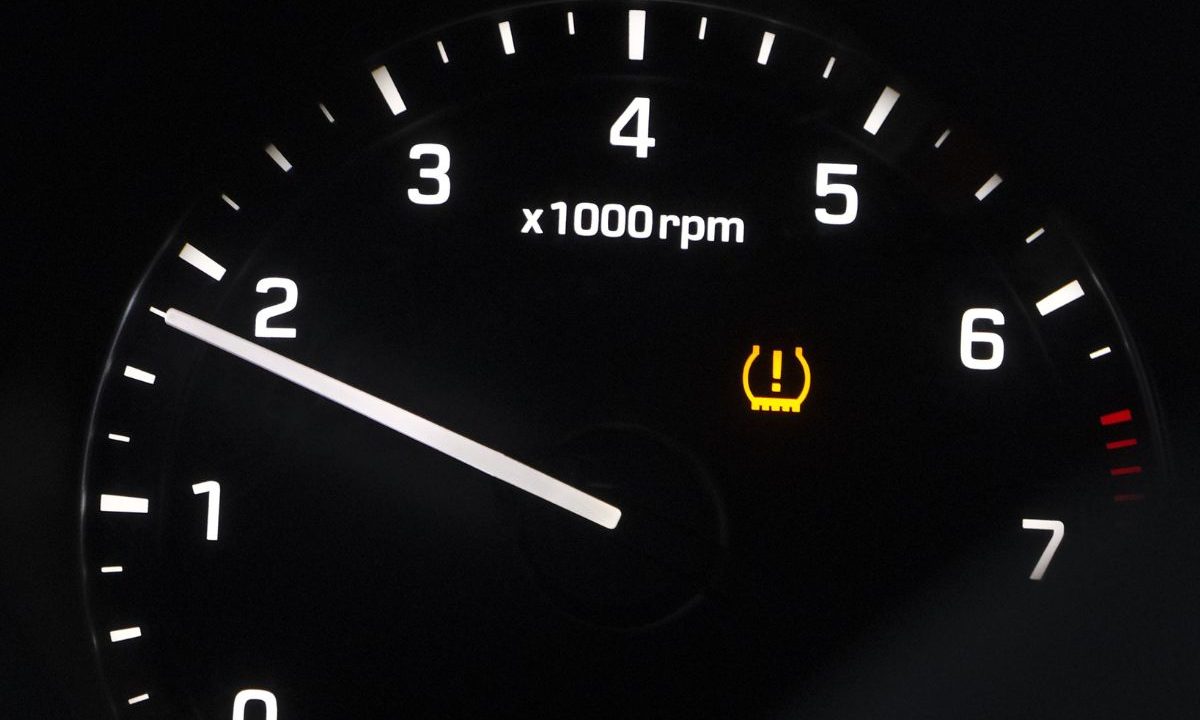
Few dashboard moments are more annoying than the tire pressure light on after filling tires — you did the responsible thing, aired everything up, and the amber horseshoe is still glaring at you three miles later. The good news: in the large majority of cases nothing is wrong with your tires. TPMS systems have quirks — update delays, relearn requirements, a sensor in the spare you forgot exists — and each has a two-minute fix. Here’s the checklist, in the order that resolves it fastest.
First: Give It a Few Miles
Most tire pressure monitoring systems don’t update the instant you add air. Many sensors report only when the wheels are rolling — typically after a few minutes above roughly 15–20 mph. If you filled up and idled in the driveway expecting the light to blink out, that’s the whole mystery. Drive ten minutes; most lights clear themselves. (How TPMS works under the hood is covered neatly in the TPMS reference — direct systems use in-wheel pressure sensors, indirect systems infer pressure from wheel-speed data, and the two misbehave differently.)
Second: Question the Gauge That Filled the Tire
If the light survives the drive, the next suspect is the pressure you think you set. Gas-station gauges live a hard life and routinely read several PSI off; fill “to 35” on a gauge reading high and the tire may truly sit at 31 — below the roughly 25%-under-placard threshold that triggers most TPMS warnings. Re-check every tire with a gauge you trust, against the door-jamb placard number (not the sidewall max — the distinction our what-PSI guide hammers home). A digital inflator with a ±1 PSI-class gauge ends this ambiguity permanently — it’s a core reason auto-stop digital units dominate our best tire inflators ranking.
Third: The Spare Tire Nobody Checks
Plenty of vehicles — pickups especially — carry a TPMS sensor in the full-size spare. You can fill all four road tires perfectly and the light stays on because the spare under the bed has quietly sagged to 20 PSI over two years. If your checklist has never included the spare, start there before blaming electronics.
Fourth: Cold Mornings Aren’t a Malfunction
If the light appears on cold mornings and clears by lunch, that’s physics, not failure: pressure drops roughly 1 PSI per 10°F, so the season’s first real cold snap pushes marginal tires under the warning threshold overnight. The cure is topping up for the season, not ignoring it — the full explanation lives in our cold-weather pressure guide.
Fifth: The Relearn/Reset Step
Some vehicles clear the warning automatically once pressures are right; others want to be told. The procedure varies by brand — common patterns include: a TPMS reset button (often under the dash — hold with ignition on until the light blinks), a menu path in the driver-information screen, a specified drive cycle at moderate speed, or (on many GM, Ford and others after tire rotation) a formal sensor relearn sequence. Your owner’s manual has the exact steps; they take minutes. After any reset, drive a few miles so sensors re-report.
When It’s Actually the Hardware
A flashing TPMS light (typically 60–90 seconds at startup, then solid) is the system reporting a fault with itself — most often a dead sensor battery, which lasts 5–10 years and dies one wheel at a time. Sensors also get damaged in tire changes, and aftermarket wheels may have none at all. And if one tire needs air again every week, stop resetting lights and get it dismantled — slow punctures and corroded valve stems are repairs, not quirks. For roadside surprises in the meantime, our flat-fix guide covers the sealant-and-inflator drill, and a trunk inflator from our compact picks turns the recurring top-off into a non-event while you schedule the repair.
Bottom Line
Light still on after filling? Drive ten minutes, verify with a gauge you trust, check the spare, respect cold mornings, run your vehicle’s reset if it wants one — that sequence clears the overwhelming majority of cases. A flashing light or a weekly-deflating tire is the minority that needs a shop. Either way, the driver holding an accurate digital inflator settles the “is it me or the sensor?” question in two minutes flat — and never fills to a lying gauge again.
Related reviews
11.1V vs 14.8V Jump Starters: What Really Determines Starting Power?
Peak amps dominate jump starter advertising, but that headline number does not tell you how well a portable booster will…
Fanttik X9 APEX vs ETENWOLF VORTEX S6: Premium Tire Inflator Showdown
Fanttik X9 APEX vs ETENWOLF VORTEX S6: Premium Tire Inflator Showdown The Fanttik X9 APEX vs ETENWOLF VORTEX S6 matchup…
What PSI Should Car Tires Be? The Right Pressure for Every Vehicle
What PSI Should Car Tires Be? The Right Pressure for Every Vehicle What PSI should car tires be? For most…