
Airing Down Tires for Off-Roading: Pressures, Technique, and the Fast Way Back Up

Airing Down Tires for Off-Roading: Pressures, Technique, and the Fast Way Back Up
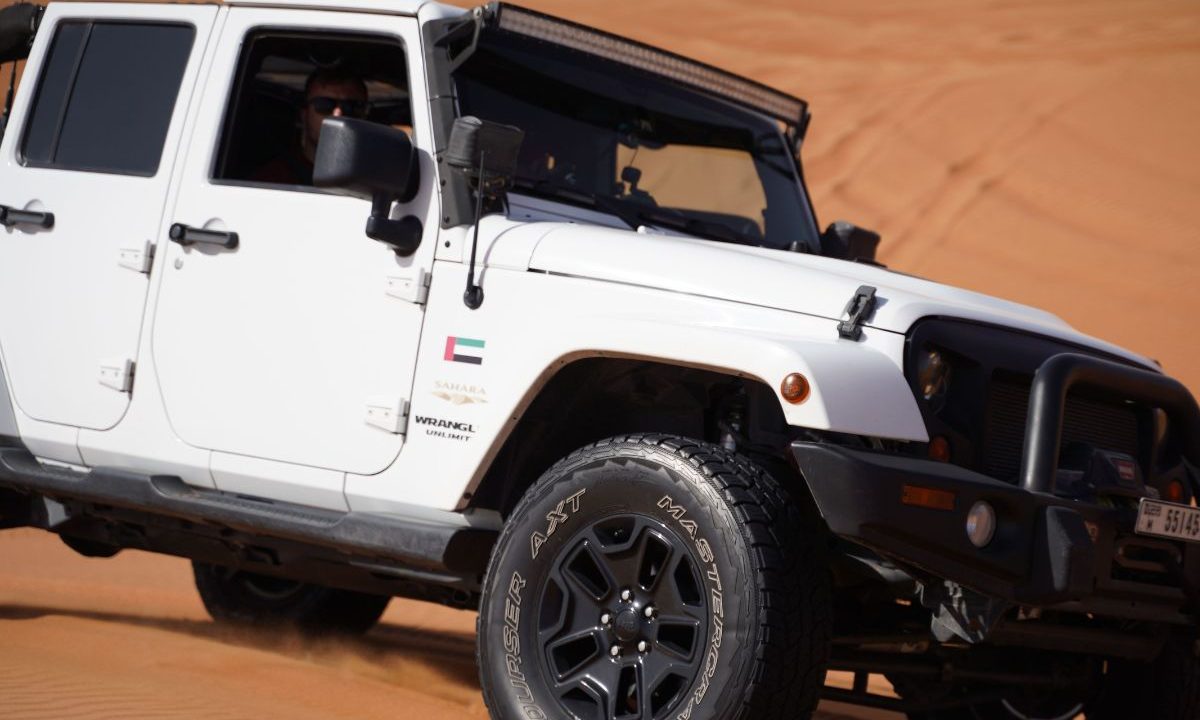
Airing down tires for off-roading is the cheapest suspension upgrade that exists: dropping from street pressure into the teens softens the ride, lengthens the tire’s footprint dramatically, and lets the rubber wrap terrain instead of bouncing off it. Traction on sand, rock and washboard improves more than most bolt-on parts could manage — for free. The catch is the second half of the job: what goes down must come back up before the highway, and that’s where an unprepared crew burns an hour or cooks a cheap pump. Here’s the whole discipline — target pressures, deflation technique, and the reinflation plan that makes it routine.
Why Lower Pressure Transforms Traction
At street pressure a tire presents a short, firm contact patch built for pavement efficiency. Bleed air and the patch elongates — substantially more rubber on the ground — while the casing gains compliance to conform over rocks and roots instead of deflecting. On sand, the longer footprint drops ground pressure so the tire floats rather than trenches; on washboard, the softened casing absorbs chatter your shocks can’t. The principle is the same one that keeps purpose-built off-road machinery at startlingly low pressures (see the tire pressure reference for the engineering background).
Target Pressures by Terrain
- Gravel and washboard roads: 20–28 PSI — comfort and puncture resistance, modest drop.
- General trail / rock: 15–20 PSI — significant conformity; watch sidewalls around sharp rock.
- Sand: 12–16 PSI — flotation territory; go lower only with experience.
- Snow wheeling: 15–20 PSI depending on depth and vehicle weight.
Caveats that keep this safe: these assume typical LT tires on mid-size 4x4s — heavy rigs need more pressure; below ~12 PSI the risk of unseating a bead off the rim climbs sharply without beadlock wheels; and low pressure means low speed — sidewall flex builds heat, so keep aired-down driving under trail velocities. Never run highway speeds until you’re back to the door-jamb placard number (the same figure our what-PSI guide covers for the street world).
Airing Down: Technique and Tools
The manual method — valve-core pressed with a key or stick, gauge checks every 30 seconds — works and costs nothing but time: several minutes per tire, four times. Dedicated tire deflators speed this dramatically: screw-on automatic deflators bleed to a preset pressure unattended, and valve-core-removal deflators dump air fast under supervision. Whichever tool, work in a circuit (deflate one while starting the next), recheck with one trusted gauge, and log your numbers — repeatability is what turns experimentation into a setup.
Airing Up: Where Trips Are Won and Lost
Reinflation is the real equipment test. Bringing four 33s from 15 PSI back to 38 moves a serious volume of air, back to back, with no rest — precisely the assignment that overwhelms glovebox pumps into thermal shutdown. This is duty-cycle territory (the spec our specs guide calls the tool/toy divider), and it’s why the ETENWOLF VORTEX S6 — dual cylinders, 100% duty cycle rating, 19,200mAh battery — is our pick for trail duty and anchors our truck ranking. For lighter rigs and moderate drops, the Fanttik X9 APEX handles the job with the bonus of a deflate-capable digital head for precise air-down targets. Both appear with the full field in our best tire inflators ranking.
Trailhead routine: air up before the pavement, all four to placard, then a gauge recheck at the first fuel stop once tires warm. Budget the time honestly — a capable inflator makes it a coffee break; a weak one makes it the story everyone tells later.
The Pre-Trip Checklist
- Deflators (or a valve tool and patience) and one gauge everyone trusts.
- An inflator with the duty cycle for your tire count and size — charged, with the 12V fallback cable packed if it has one (our power-source guide explains why redundancy earns its space).
- Known target pressures written down: trail number down, placard number up.
- A plug kit and the drill from our flat-repair guide — low pressure plus sharp rock occasionally wins.
Bottom Line
Air down and the trail gets smoother, grippier and kinder to your rig; air back up and the highway stays safe — the whole discipline is two numbers and the equipment to move between them without drama. Get the deflation tool that hits your target repeatably and the inflator with the stamina for four big tires, and the best free mod in off-roading becomes a ten-minute habit at each end of the dirt.
Related reviews
11.1V vs 14.8V Jump Starters: What Really Determines Starting Power?
Peak amps dominate jump starter advertising, but that headline number does not tell you how well a portable booster will…
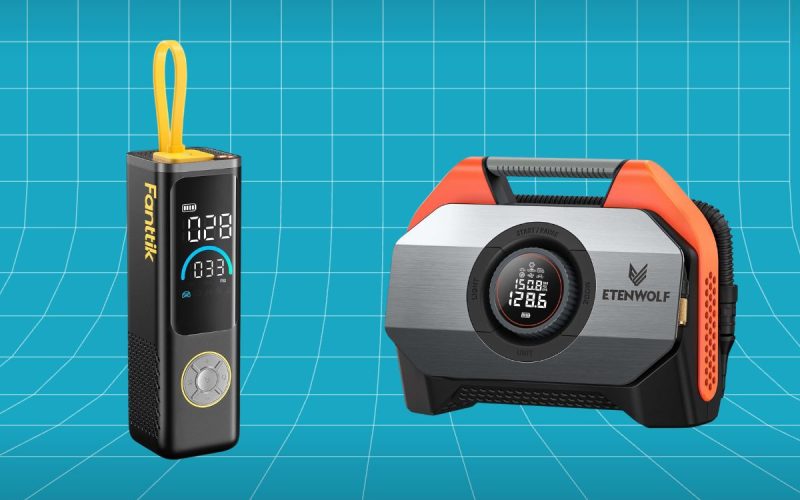
Fanttik X9 APEX vs ETENWOLF VORTEX S6: Premium Tire Inflator Showdown
Fanttik X9 APEX vs ETENWOLF VORTEX S6: Premium Tire Inflator Showdown The Fanttik X9 APEX vs ETENWOLF VORTEX S6 matchup…
What PSI Should Car Tires Be? The Right Pressure for Every Vehicle
What PSI Should Car Tires Be? The Right Pressure for Every Vehicle What PSI should car tires be? For most…