
How to Maintain a Jump Starter So It Works in an Emergency

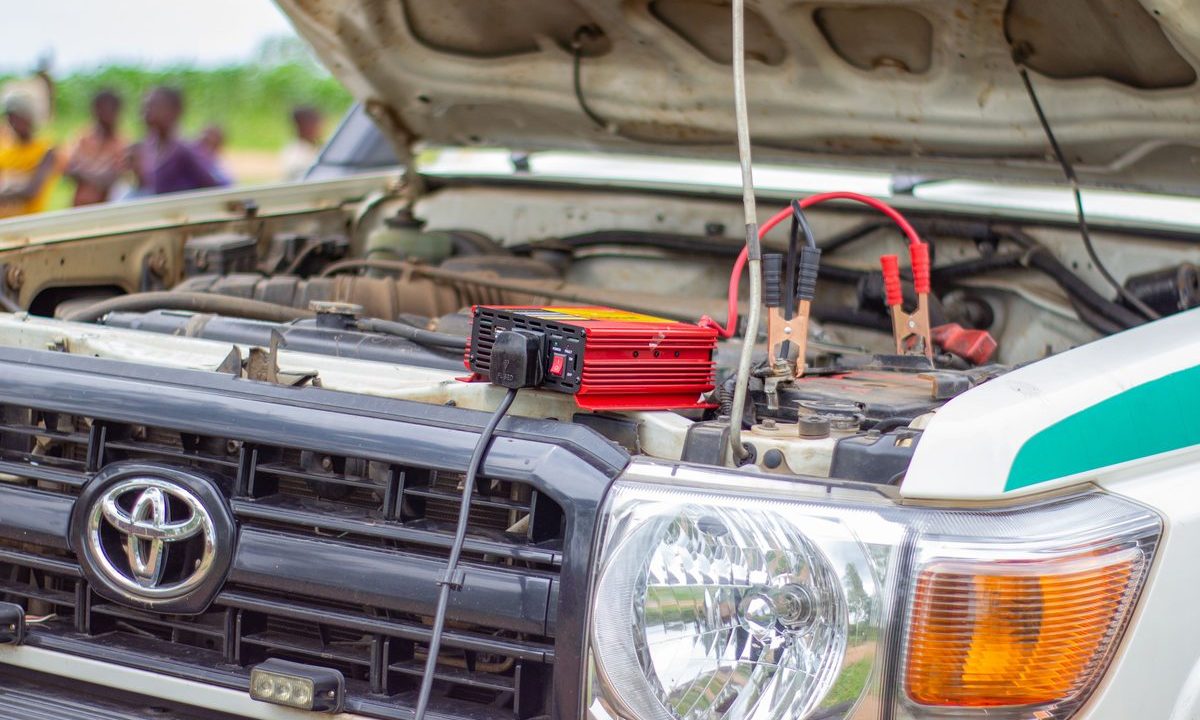
Learning how to maintain a jump starter is the difference between a reliable rescue and a dead box when you need it most. This guide walks through the simple habits that keep your pack ready.
The majority of failures are unknown until it’s too late. Such as a dark night, cold weather and a dead cell phone. The power storage devices made with Lithium self-discharge on the shelf. High temperatures also can cause these devices to degrade even if used ZERO times. The majority of “my jump starter didn’t work” situations could have been prevented if the owner simply charged the unit once in the last couple of years and kept it in an air conditioned area away from heat. A few simple habits and your emergency power storage will be ready for the actual emergency.
Step-by-step
- Recharge on a schedule. Top it up every 60–90 days even if unused — lithium self-discharges about 2–5% per month (roughly 70–85% left after six months). Tie it to the change of seasons so you don’t forget.
- Store it in the right conditions. Keep it around 50–70°F — not in a summer trunk or a freezing garage. Every ~10°C hotter can roughly halve battery lifespan. For long storage, leave it at 50–70% charge, not 100% or empty.
- Don’t deep-cycle it. Lithium lasts longest kept between about 20–80%. Avoid running it to 0% repeatedly, and recharge fully soon after any jump.
- Check charge gauge twice a year. Check the operation of the charge gauge. Check that test tool is powered. Check that light/indicator on clamps is functioning correctly. Test jump would also be good to check. This tool is very sensitive to high temperatures and low temperatures. Store at room temperature for at least 30 minutes and up to 1 hour prior to using to charge batteries.
- Identify the time to replace a jump starter. A jump starter that won’t hold a charge, that’s rapidly draining, has swelled in size, or is old (3-5+ years) should be replaced. A dead jump starter is worse than nothing because you’ll rely on it for a jump start and it won’t be there for you.
Safety tip: a swollen or hot lithium pack is a fire risk — stop using it and recycle it at a battery drop-off, never the trash.
Pro Tips
- Keep it in the cabin, not the trunk, in temperature extremes — cabin temps are gentler on the cells and it’s within reach.
- Store at half charge for the off-season; a lithium pack sitting full in the heat degrades the fastest.
- Pair charging with a routine you already have — oil changes or daylight-saving clock changes — so the reminder is automatic.
Common Problems & Fixes
- Won’t hold a charge / dies fast → cells are aging. Replace it.
- Won’t power on after long storage → deeply discharged. Try the recovery/boost mode in the manual; if it won’t wake, it’s done.
- Case is swollen or hot → stop using immediately and recycle it safely.
- Weak in the cold → stored cold or aging. Warm it, recharge, and upsize if it’s a recurring problem.
How Often Should You Maintain a Jump Starter?
To maintain a jump starter properly, treat it like any other piece of emergency gear: check it on a schedule rather than waiting for a breakdown. A lithium jump starter self-discharges slowly on the shelf, so plug it in and top it off roughly every three months, and always after you use it. Store it out of extreme heat and cold, since both temperature extremes shorten cell life and can leave you with a pack that shows full bars but cannot deliver cranking amps.
Before a long trip or the change of seasons, run a quick health check: confirm the charge indicator reads full, inspect the clamps and cables for corrosion or fraying, and make sure the built-in light and USB ports still work. Keeping the unit in your vehicle as part of a broader emergency kit is smart planning — the federal preparedness guidance at Ready.gov recommends carrying jumper cables or a jump starter year-round. A few minutes of upkeep every quarter is all it takes to keep the device dependable.
Related on GarageVetted
Related reviews
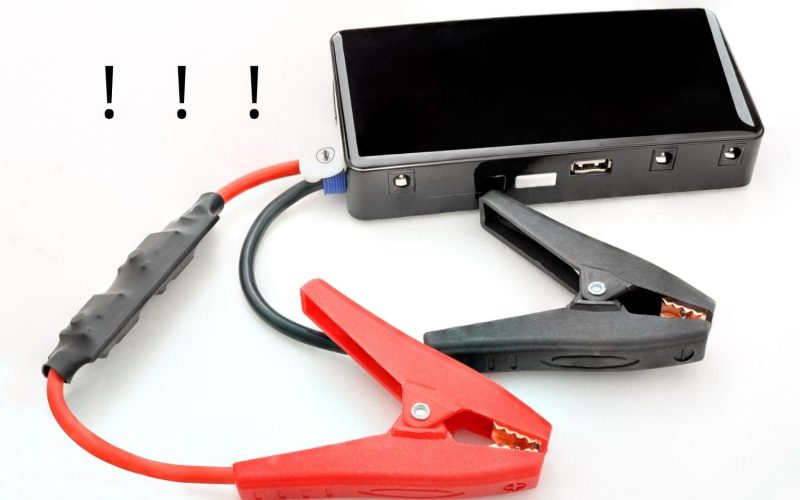
11.1V vs 14.8V Jump Starters: What Really Determines Starting Power?
Peak amps dominate jump starter advertising, but that headline number does not tell you how well a portable booster will…

Airing Down Tires for Off-Roading: Pressures, Technique, and the Fast Way Back Up
Airing Down Tires for Off-Roading: Pressures, Technique, and the Fast Way Back Up Airing down tires for off-roading is the…
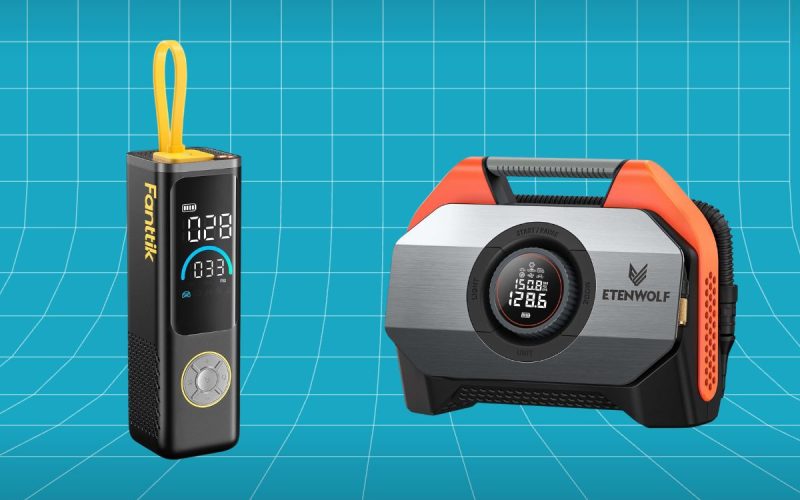
Fanttik X9 APEX vs ETENWOLF VORTEX S6: Premium Tire Inflator Showdown
Fanttik X9 APEX vs ETENWOLF VORTEX S6: Premium Tire Inflator Showdown The Fanttik X9 APEX vs ETENWOLF VORTEX S6 matchup…