
How to Diagnose Why Your Check Engine Light Is On (Without a Mechanic)

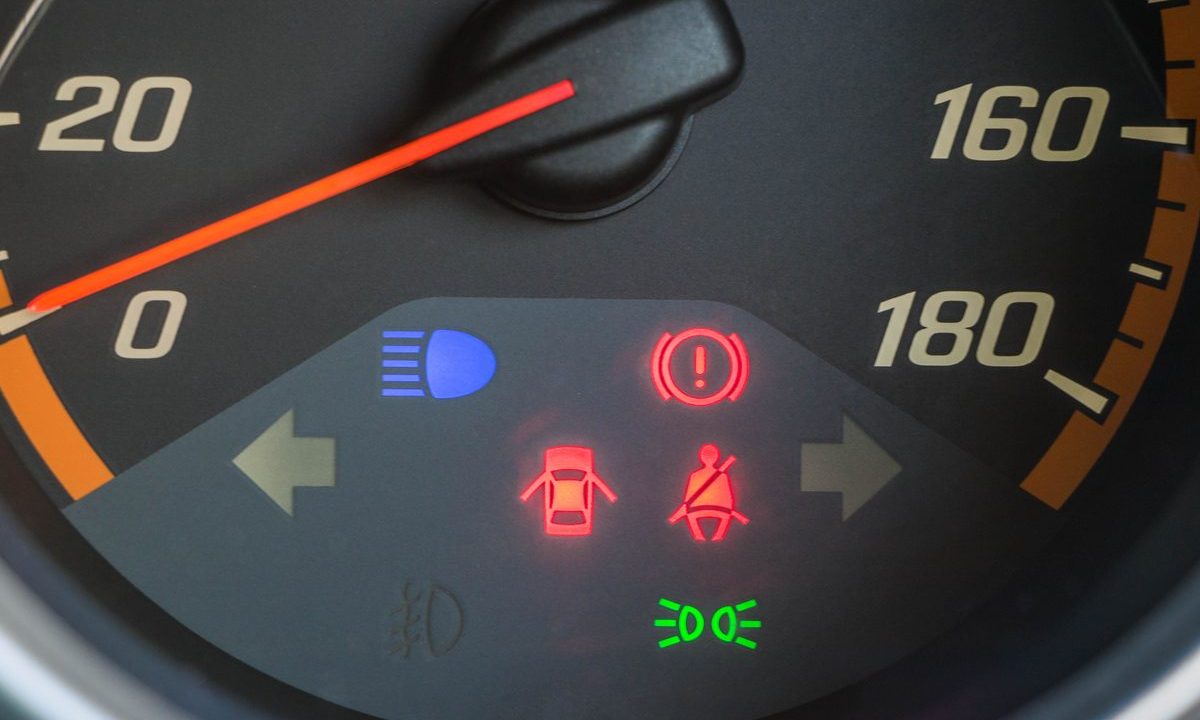
A check engine light rarely means stop-driving-now, but it should never be ignored. A check-engine light triggers the same dread whether the problem is trivial or catastrophic — and that uncertainty is exactly what a scanner removes. The single most useful thing to check first is free and takes one glance: is the light steady or flashing? Most drivers either panic and tow a car that’s fine, or keep driving on a flashing light and turn a cheap misfire into a ruined catalytic converter. Here’s how to triage it yourself.
Step-by-step: Diagnosing a Check Engine Light
- Read the light itself first. A steady light means investigate soon — usually safe to drive gently. A flashing light means an active engine misfire is dumping raw fuel into the exhaust; reduce speed and stop driving to avoid destroying the catalytic converter.
- Pull the codes and know the common ones:
- P0420 – catalyst efficiency below threshold (Bank 1). Often not a dead cat — it can be a lazy O2 sensor, exhaust leak, or an untreated misfire.
- P0300 – random/multiple misfire (a specific cylinder shows as P0301–P0308). Think spark plugs, coils, fuel.
- P0171 – system too lean (Bank 1): too much air vs. fuel. Suspect a vacuum leak, dirty MAF sensor, or weak fuel delivery.
- Read live and freeze-frame data. Freeze-frame shows the conditions when the code set. Live data lets you watch sensors in real time — a healthy front O2 sensor swings roughly 0–1V while the rear stays steadier; a rear that mirrors the front hints at a failing cat.
- Estimate cost and difficulty. A loose gas cap or a $15 sensor cleaning is DIY; a misfire is moderate; internal-engine work or a genuine catalytic converter is a bigger job. Cross-check the code with typical fixes before spending.
- Know when to escalate. A flashing light, several drivability symptoms at once, or anything involving timing/internal engine → see a professional. A code is a starting point, not a verdict.
Safety tip: never keep driving hard on a flashing CEL, and don’t “fix” a P0420 by buying a catalytic converter before ruling out the cheaper causes.
Pro Tips
- Fix upstream first: misfire and lean codes can trigger a P0420. Clear the root cause and the cat code often disappears on its own.
- A code names the symptom, not the guilty part — P0420 means “cat efficiency low,” not “buy a converter.”
- Cheapest first: reseat or replace the gas cap for evaporative (EVAP) codes before anything else.
Common Problems & Fixes
- Light goes off after tightening the gas cap → it was an EVAP leak; may take a few drive cycles to fully clear.
- P0420 returns after a new cat → you didn’t fix the misfire or O2 sensor causing it.
- Random misfire, no single cylinder → check fuel pressure, vacuum leaks, and ignition across all cylinders.
- Light returns days later → intermittent fault; use the freeze-frame conditions to reproduce and isolate it.
Related on GarageVetted
- Buying guide: Best OBD2 Scanner to Pick in 2026
- How to Choose an OBD2 Scanner (Basic Reader vs. Bidirectional)
- How to Read and Clear Check-Engine Codes With an OBD2 Scanner
First, note whether the check engine light is steady or flashing — a flashing light means an active misfire that can wreck the catalytic converter, so ease off and get it looked at. For a steady check engine light, pull the code with an OBD2 scanner, check the gas cap, and read the freeze-frame data before you spend on parts. For emissions and readiness-monitor rules that affect a check engine light, see epa.gov.
Related reviews
11.1V vs 14.8V Jump Starters: What Really Determines Starting Power?
Peak amps dominate jump starter advertising, but that headline number does not tell you how well a portable booster will…
Fanttik X9 APEX vs ETENWOLF VORTEX S6: Premium Tire Inflator Showdown
Fanttik X9 APEX vs ETENWOLF VORTEX S6: Premium Tire Inflator Showdown The Fanttik X9 APEX vs ETENWOLF VORTEX S6 matchup…
What PSI Should Car Tires Be? The Right Pressure for Every Vehicle
What PSI Should Car Tires Be? The Right Pressure for Every Vehicle What PSI should car tires be? For most…