
Are Portable Tire Inflators Worth It? An Honest Cost-and-Convenience Answer

Are Portable Tire Inflators Worth It? An Honest Cost-and-Convenience Answer
Are portable tire inflators worth it, or are they another gadget that dies in a drawer next to the salad spinner? It’s a fair challenge — the gas station air machine costs a couple of dollars, and your tires seem fine most of the time. We’ve researched and reviewed this category extensively, so rather than a reflexive yes, here’s the actual math, the failure cases where the answer is no, and the scenarios where a $40–$100 pump quietly becomes one of the better tools you own.
The Case Against, Taken Seriously
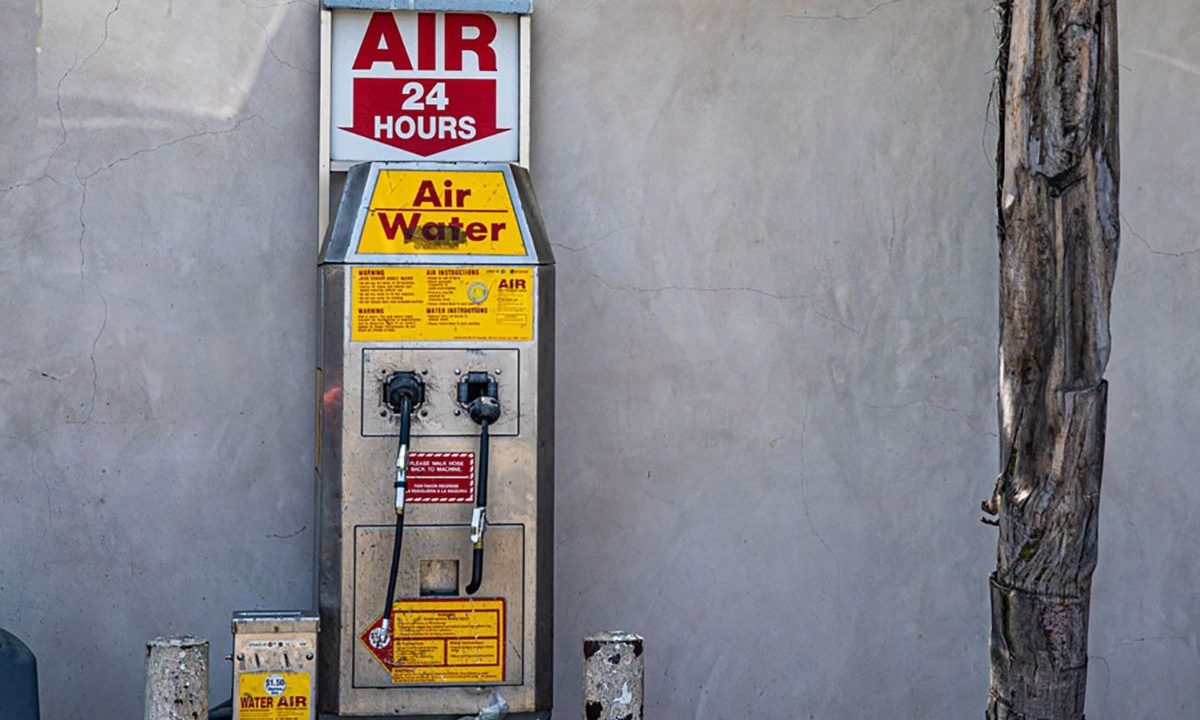
Skeptics have three real points. Gas station air exists and mostly works. Cheap inflators from a decade ago were miserable — slow, loud, with gauges that lied. And any battery gadget you don’t maintain is a brick precisely when you need it. All true. The counterpoints are what’s changed: modern units fill a low tire in a couple of minutes with auto-stop accuracy, and the gas-station option is worse than it looks — you’re driving on an underinflated tire to get there (heating and stressing it en route), paying $1.50–$2.00 per session, and trusting a public gauge that’s been dropped a thousand times.
The Actual Math
- Cost per use: A quality $50 inflator used monthly for three years works out to under $1.50 per use — cheaper than the machine at the corner station, without the drive or the quarters.
- Fuel savings: The U.S. Department of Energy estimates properly inflated tires improve fuel economy by up to 3%. For a typical driver that’s real money every year — arguably enough to pay for the tool on its own.
- Tire life: Chronic underinflation wears shoulders fast and cooks casings. Stretching tire replacement even one season pays for several inflators.
- The avoided catastrophe: One prevented blowout, tow, or missed flight makes every other line irrelevant. Underinflation is the leading preventable cause of tire failure — the tool’s whole job is keeping you off that statistic.
When They’re NOT Worth It
Honesty cuts both ways. Skip the purchase if: you lease a new car with TPMS, drive little, and a dealership checks everything quarterly; you genuinely won’t charge or use the thing (a dead gadget is worse than none — it breeds false confidence); or you already own a garage air compressor and never leave town. Buy the cheapest insurance instead: a $10 stick gauge and the free air machine.
When They Absolutely Are
- Anyone who’s seen the TPMS light more than twice a year. Cold snaps guarantee it — the physics is in our cold-weather PSI guide — and a two-minute driveway top-off beats every alternative.
- Households with bikes, motorcycles, or sports gear. One tool serves everything with wheels or a bladder.
- Road-trippers and rural drivers. Distance from the nearest working air machine is the whole argument.
- Anyone who checks pressure monthly (which should be everyone): frictionless checking is the difference between intending to and doing it — our how-to-use guide shows how fast the ritual really is.
If You Buy One, Buy It Right
The category’s reputation was earned by its worst products, so skip them: insist on a digital gauge with auto shut-off, from the modern crop we’ve vetted. Budget buyers get genuine quality around $40 — the AUTOONE we reviewed is our budget benchmark — while the Fanttik X9 APEX shows what the premium tier feels like. The full field, sorted by use case, lives in our best tire inflators ranking.
Bottom Line
Worth it? For the large majority of drivers — yes, and it isn’t close: the tool pays for itself in fuel and tire wear before counting a single avoided roadside disaster. The honest exceptions are low-mileage drivers under dealer care and people who know themselves well enough to admit the gadget would never get charged. Everyone else: pick your price tier, keep it charged, and turn the TPMS light into a two-minute non-event.
Related reviews
11.1V vs 14.8V Jump Starters: What Really Determines Starting Power?
Peak amps dominate jump starter advertising, but that headline number does not tell you how well a portable booster will…

What PSI Should Car Tires Be? The Right Pressure for Every Vehicle
What PSI Should Car Tires Be? The Right Pressure for Every Vehicle What PSI should car tires be? For most…
Can You Overinflate a Tire? Max PSI vs Recommended PSI, Explained
Can You Overinflate a Tire? Max PSI vs Recommended PSI, Explained Can you overinflate a tire? Yes — easily, and…