
Corded vs Cordless Tire Inflator: Which Should You Buy?

Corded vs Cordless Tire Inflator: Which Should You Buy?
The corded vs cordless tire inflator debate is the single most common question we get from readers weighing their first purchase — and unlike a lot of gear debates, this one has real consequences. Pick wrong and you’re either stretching a too-short cord around a minivan in the rain, or discovering your battery unit is dead the one morning you actually need it. We’ve researched and ranked both styles extensively for our reviews, and the honest answer is that each wins in specific situations. Here’s how to figure out which one fits yours.
How Each Type Works
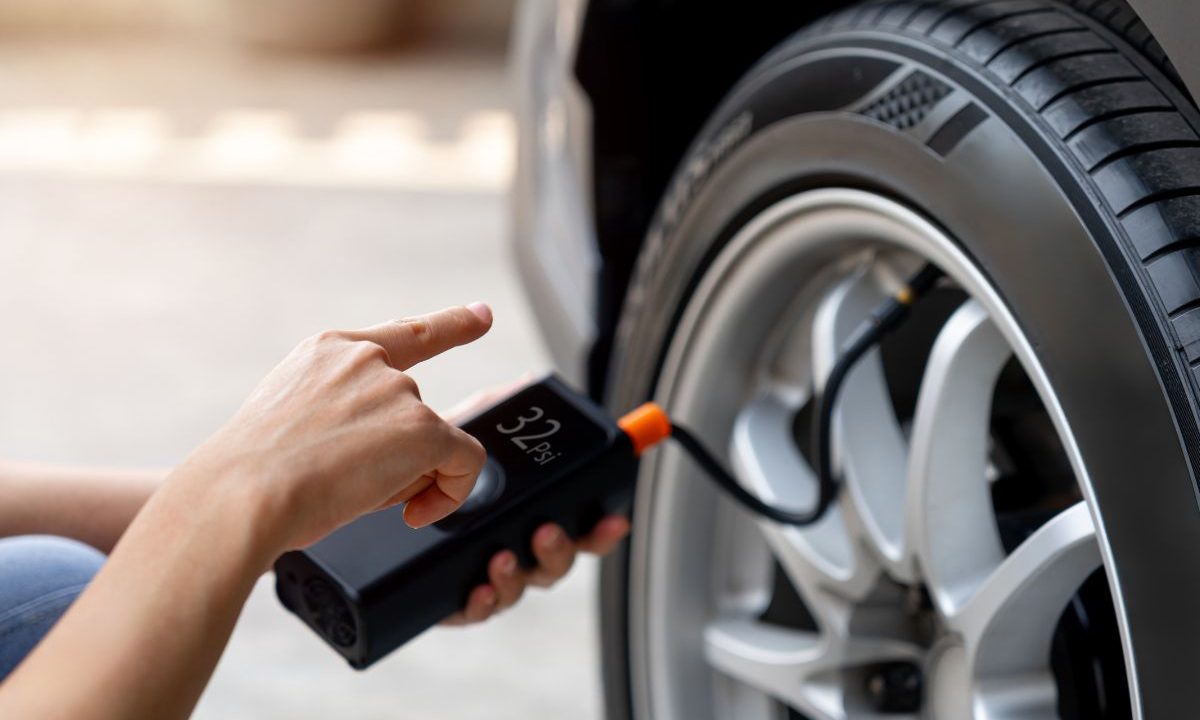
A corded 12V inflator plugs into your car’s accessory socket (the cigarette lighter) and draws power from the vehicle. Some models add a 110V wall plug for garage use. A cordless inflator runs on an internal rechargeable battery — you charge it at home like a phone, then it works anywhere, tethered to nothing.
The Case for Corded
- It’s always ready. As long as your car runs, the inflator runs. There is no charge level to remember, which is why corded units remain the classic glovebox emergency tool.
- Consistent power. No performance taper as a battery drains — the last tire fills as fast as the first.
- Lower price. Comparing our researched picks, corded models routinely undercut equivalent cordless ones.
- Lighter. No battery pack means less weight rattling around the trunk.
The downsides: the cord dictates your life. You’re working within reach of the 12V socket, threading cable around the vehicle, and you can’t walk the inflator over to a bike, trailer, or a friend’s car parked ten feet away. Cheap units can also strain older accessory-socket fuses — a topic we cover in our power sources guide.
The Case for Cordless
- Total freedom. Walk to any wheel, any vehicle, any bike rack. No engine on, no cable management.
- Faster in practice. Premium cordless units we’ve ranked, like the Fanttik X9 APEX with its 35-second fast-inflation claim, are among the quickest consumer inflators on the market.
- Extra tricks. Many double as power banks and flashlights — genuinely useful in a breakdown kit.
The catch is the battery itself. Lithium cells self-discharge over months, and an inflator that sat in a hot trunk since spring may greet a December flat with a blinking red light. Batteries also age, and winter cold cuts their effective capacity — a physics problem no brand has escaped. If you go cordless, make topping up the charge a seasonal habit alongside checking your tire pressures.
The Dead-Battery Scenario, Solved: Dual-Power Units
A third category quietly fixes the biggest weakness of each side. Dual-power inflators run on battery and plug into a 12V socket (some add 110V AC). The the AstroAI 12V/110V dual-power unit covers both home and roadside from one box. Dead battery? Plug it in. No socket nearby? Run the battery. For buyers who can’t decide, this is the hedge we most often point to.
Which Should You Buy? Our Honest Framework
Buy corded if…
The inflator will live in the car exclusively as emergency gear, you check tires rarely, and you want the lowest price with zero maintenance. A tool with no battery cannot have a dead battery — there’s wisdom in that simplicity, and government tire-safety data from the U.S. Department of Energy shows keeping tires properly inflated pays for the tool in fuel savings alone.
Buy cordless if…
You maintain multiple vehicles, bikes, or toys; you top off monthly; or cord-wrangling annoys you enough that you’d skip the chore. The convenience genuinely changes how often you check your tires — and frequent checking is the whole game. Our ranked best cordless tire inflators list covers the standouts we’ve vetted, including battery-runtime expectations per charge.
Buy dual-power if…
You want one tool for garage top-offs and glovebox emergencies and refuse to gamble on charge level. You pay a modest premium and a little extra bulk for redundancy that never leaves you stranded.
Bottom Line
For most drivers building an emergency kit: corded or dual-power. For anyone who actively maintains tires across several machines: cordless, charged seasonally. If you’re still weighing the broader decision — including whether you need a tank compressor instead — start with our full ranking of the best tire inflators, where we flag which style each pick uses and who it suits.
Related reviews
11.1V vs 14.8V Jump Starters: What Really Determines Starting Power?
Peak amps dominate jump starter advertising, but that headline number does not tell you how well a portable booster will…
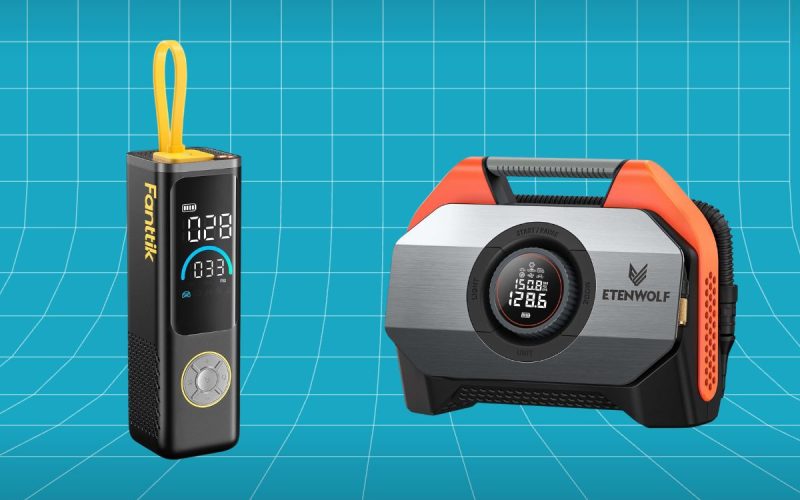
Fanttik X9 APEX vs ETENWOLF VORTEX S6: Premium Tire Inflator Showdown
Fanttik X9 APEX vs ETENWOLF VORTEX S6: Premium Tire Inflator Showdown The Fanttik X9 APEX vs ETENWOLF VORTEX S6 matchup…

What PSI Should Car Tires Be? The Right Pressure for Every Vehicle
What PSI Should Car Tires Be? The Right Pressure for Every Vehicle What PSI should car tires be? For most…