
How to Choose a String Trimmer (Battery vs. Gas, by Yard Size)

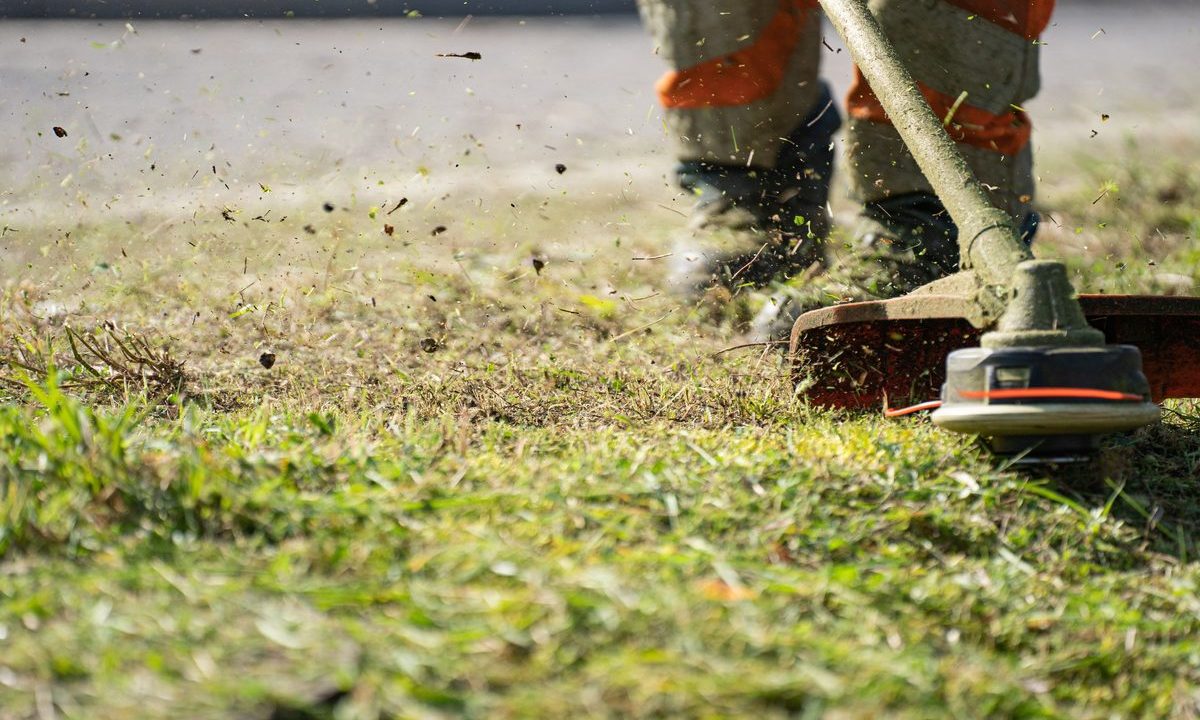
The string trimmer aisle splits three ways — battery, gas, corded — and the right pick depends almost entirely on your yard size and how much you want to fight to start it. Modern battery trimmers now cut as well as gas, which has flipped the old advice: buy gas out of habit for a small yard and you’re stuck mixing fuel and yanking a pull-cord you never needed.
Step-by-step: Choosing a String Trimmer
- Match power type to yard size.
- Corded electric: constant power, light, cheap — best for small yards (up to ~¼ acre) where a cord reaches.
- Battery (cordless): quiet, instant start, no emissions; top models rival gas and run ~30–45 min — good up to ~1–2 acres per charge (spare batteries extend it).
- Gas: cut as long as you refuel; best for large yards, heavy growth, and anyone not buying into a battery platform.
- Read battery voltage as power. On cordless, higher voltage = more torque to cut thick grass and weeds; most run 20–80V. Bigger yards and tougher growth → higher voltage.
- Pick a cutting width for your yard. Swaths run ~10–18″; wider clears faster but needs more power and adds weight (bigger battery). Match it to your yard size and your strength.
- Straight vs. curved shaft. Curved is lighter and nimble around obstacles — good for small, tidy yards. Straight offers more reach (under shrubs, along fences), suits heavy-duty work, and fits taller users better.
- Consider attachment-capable power heads. Some systems accept edger, pole-saw, and cultivator attachments on one power head — great value if you want more than a trimmer.
By yard: small → corded or curved-shaft battery; medium → higher-voltage battery; large/heavy → gas or high-voltage straight-shaft battery.
Pro Tips
- Battery has caught up to gas for most homeowners — if you’re not clearing acres, cordless is quieter and starts every time.
- Stay in a battery ecosystem you already own to save buying more batteries and chargers.
- Straight shaft for reach and heavy growth; curved for light, tight yards.
Common Problems & Fixes
- Battery dies mid-yard → yard too big for one pack. Get a spare, or go gas.
- Bogs down in thick weeds → voltage/power too low. Step up voltage, or go gas.
- Cord always in the way → corded only suits small yards. Go cordless.
- Hard on the back (tall user) → curved shaft is too short. Choose a straight shaft.
Related on GarageVetted
- Buying guide: Best String Trimmer to Pick in 2026
- How to Load and Replace String Trimmer Line (Any Head Type)
- How to Use a String Trimmer to Edge and Trim Like a Pro
Battery vs. Gas String Trimmer, by Yard Size
For small and mid-size yards, a battery string trimmer is the easy call: quiet, no fumes, push-button start, and plenty of runtime on one charge. Higher voltage (40V–80V) means more power and longer trimming, so match the battery string trimmer to how much edge and heavy growth you tackle.
For big properties or thick, woody weeds, a gas string trimmer still wins on sustained power and swappable fuel — you just accept the noise, mixing, and maintenance. On shaft style, a straight-shaft string trimmer reaches under bushes and fences better, while a curved shaft is lighter and more comfortable for quick trims. For outdoor equipment noise and safety guidance, see opei.org.
Related reviews
11.1V vs 14.8V Jump Starters: What Really Determines Starting Power?
Peak amps dominate jump starter advertising, but that headline number does not tell you how well a portable booster will…
What PSI Should Car Tires Be? The Right Pressure for Every Vehicle
What PSI Should Car Tires Be? The Right Pressure for Every Vehicle What PSI should car tires be? For most…
Can You Overinflate a Tire? Max PSI vs Recommended PSI, Explained
Can You Overinflate a Tire? Max PSI vs Recommended PSI, Explained Can you overinflate a tire? Yes — easily, and…