
How to Clean Car Upholstery and Carpets (Stains, Odors, and Pet Hair)

Knowing how to clean car upholstery and carpets keeps your interior fresh and helps resale value. Dirty car interiors can be a letdown for many, as they bring down the value of your car when you decide to sell it, and also can affect how you and your passengers negatively. In addition to ugly stains on the seats, many of these same stains also bring unpleasant smells to your car. The typical way to remove these sorts of stains is to to saturate the fabric, scrub the stain in until it is gone, and then cover up any leftover smells with a fragrance such as fresh linen. But by over-saturating the seats with water in the cleaning process, the water can be pushed into the foam of the seats and lead to mold and mildew growth. These things create strong smells on their own. In addition, by scrubbing out tough stains, you can actually be pushing them down into the fibers of the seats.
When cleaning with any chemical first dry/Remove as much of the material as possible then lift, extract moisture and neutralize odor from the source as opposed to just masking the odor with more chemicals. Below is a step by step method for processing three different materials; Cloth, Carpet and Leather.
Step-by-step: Cleaning Car Upholstery
- Dry-remove everything possible from the surface of your furniture first. Vacuum up as much as possible and then use a rubber glove, rubber embedded pet hair brush or even a squeegee to remove as much more of the pet hair as possible by brushing it in big clumps and then vacuuming them up. Note that simple suction from a vacuum cannot remove hair that has been WEAVEd into the weave of the fabric of your furniture.
- Determine the surface and stain type. You will find that you need to use different cleaning products for leather, vinyl and cloth surfaces. Use a test area first to test any cleaning solution on hidden areas to prevent damage. Organic stains such as food, drink or pet stains, grease and ink all need to be cleaned with different types of cleaning products.
- Pre-treat and blot — never rub. A spritz of all-purpose cleaner or a spot cleaner may be necessary for some stains. Allow the product to penetrate for a minute or two before using a microfiber to blot the area from the outside in. Never rub a stain into the fabric as it can move and worst – rub the fibers of the fabric to break them down. Oil and grease-based stains need a degreaser, while organic-based stains and their associated odor need an enzymatic cleaner. These types of cleaners actually digest the cause of the stain and odor as opposed to just covering it up.
- Deep clean an item with a machine (cloth / carpet). Use a portable deep cleaner such as a carpet or upholstery cleaner to remove stubborn grime from fabric. These machines spray a solution and then immediately extract the solution from the fabric. Work in light passes and avoid over wetting the fabric. Work solution into the fabric with a brush and then make multiple passes of dry suction to remove remaining moisture from the extracted solution.
- Leather takes a different track. To clean leather surfaces, use a pH-neutral leather cleaner and gently scrub the area with a soft-bristled brush. Then wipe off the cleaner with a soft cloth and follow up with a leather conditioner to prevent dry cracking leather.
- Kill odor. Then dry. We apply the enzyme cleaner at the source of the smell. If there is still a smell, we place an activated-charcoal puck or a large amount of baking-soda in the car for the night. Then we dry the car out by opening up the windows and using fans to remove any excess moisture that could linger in a closed car.
Safety tips: keep windows open when using solvents or degreasers, and avoid over-wetting electrical areas like seat controls and airbag modules.
Pro Tips
- Blot, don’t rub — it’s the single biggest technique fix and it protects the fibers.
- Enzyme cleaners, not air fresheners, are what actually remove pet and food odor, because they break down the organic source molecule.
- Two light extractor passes beat one soaking pass every time; trapped moisture is the enemy that becomes mildew.
- Work top-down (headliner → seats → carpet) so any drips land on areas you haven’t finished yet.
Common Problems & Fixes
- Stain returns as it dries (“wicking”) → residue deep in the padding is rising to the surface. Re-extract with clean water only until it stops.
- Musty smell a few days later → the fabric stayed wet too long. Dry faster with a fan and re-treat with enzyme cleaner.
- Water rings on cloth → that’s the edge of an over-wet area. Feather the cleaner over a wider zone and extract evenly.
- Leather feels stiff or tacky → over-cleaned or wrong product. Wipe clean and condition it.
Related on GarageVetted
- How to Detail Your Car at Home Like a Pro (Step-by-Step)
- How to Remove Swirl Marks and Light Scratches From Car Paint
Finish by letting the car upholstery dry fully with the doors open so trapped moisture doesn’t cause odors.
Related reviews
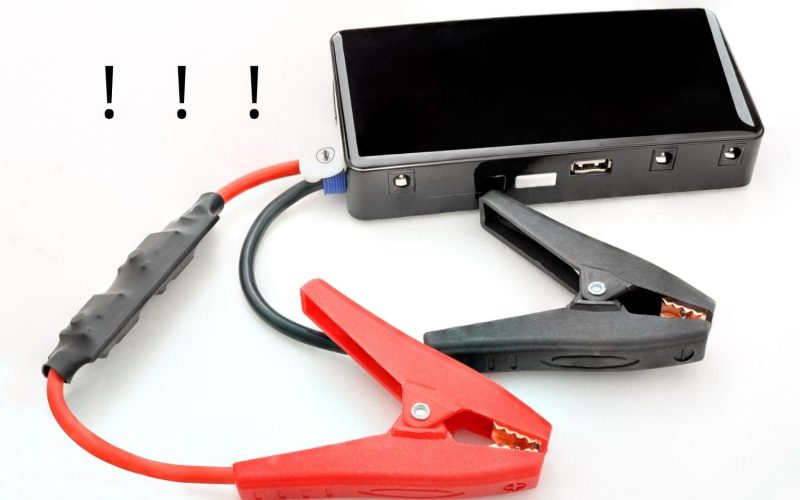
11.1V vs 14.8V Jump Starters: What Really Determines Starting Power?
Peak amps dominate jump starter advertising, but that headline number does not tell you how well a portable booster will…

Airing Down Tires for Off-Roading: Pressures, Technique, and the Fast Way Back Up
Airing Down Tires for Off-Roading: Pressures, Technique, and the Fast Way Back Up Airing down tires for off-roading is the…
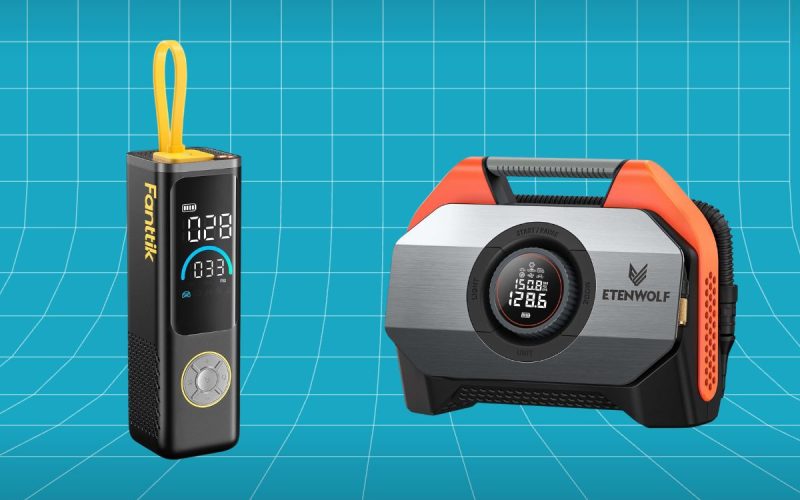
Fanttik X9 APEX vs ETENWOLF VORTEX S6: Premium Tire Inflator Showdown
Fanttik X9 APEX vs ETENWOLF VORTEX S6: Premium Tire Inflator Showdown The Fanttik X9 APEX vs ETENWOLF VORTEX S6 matchup…