
How to Deep-Clean Carpet Stains and High-Traffic Areas at Home

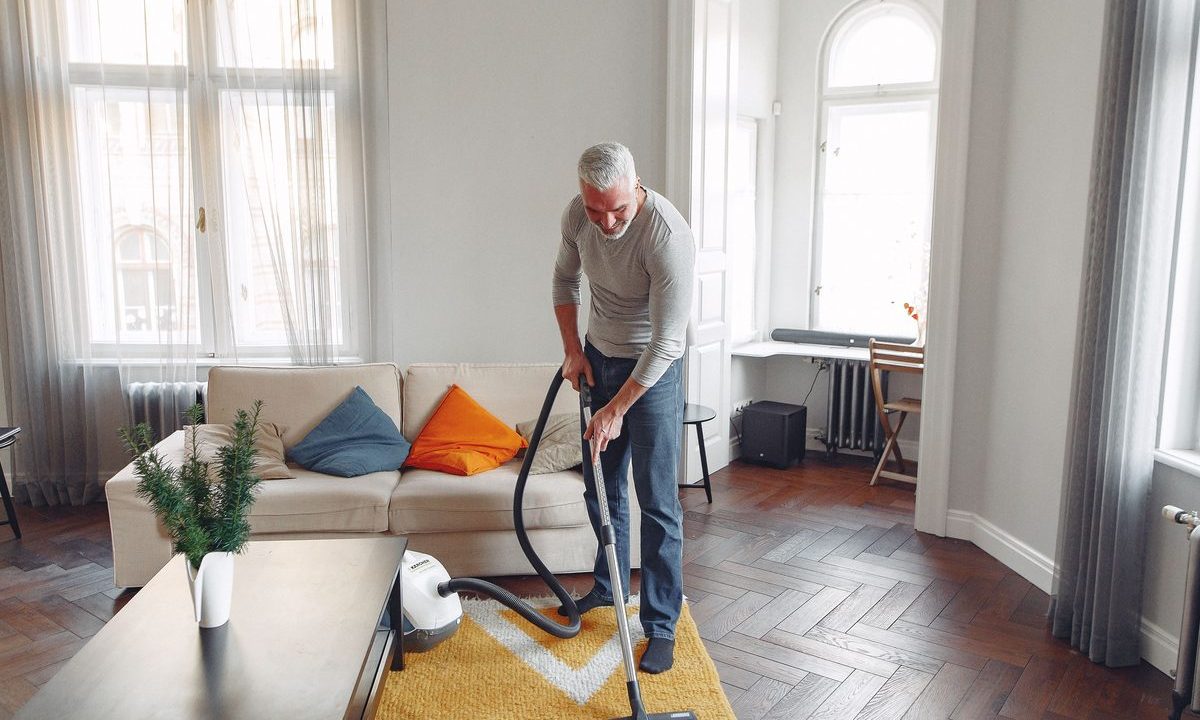
Learning how to deep clean carpet the right way keeps stained traffic lanes and high-traffic areas looking new. Stained ‘traffic lanes’ or dirty patches in high traffic areas such as entrance ways, corridors and the ‘strip’ down the centre of the carpet in the lounge can quickly deteriorate and discolour turning to dull grey marks that will not be removed by simple vacuuming. These stubborn dirt marks are oily and penetrate deep into the carpet fibers, unfortunately many of these marks are made worse by over cleaning with loads of carpet cleaner and then rubbing aggressively at the stains and marks, which can deposit a residue on the carpet fibers that in turn will attract more dirt. However, by following a successful cleaning process for these high-traffic carpet areas, it is possible to achieve long lasting results: Vacuum, Apply pre-treater, Allow to dwell, Agitate, Extract, Dry.
Step-by-step: how to deep clean carpet
- Vacuum up dry soil and identify any stains. By first vacuuming up dry soil you can avoid adding water to a clean floor only to have to clean the mud from that floor. Identify the type of stain it is (greasy traffic lane stain, food stain, pet stain, etc.).
- Choose your machine: A portable spot cleaner for spot stains and a full carpet extractor for a whole room including the traffic lanes. A portable spot cleaner for spot stains and a full carpet extractor for a whole room including the traffic lanes. Both machines spray solution on carpet and then vacuum it back up.
- Pre-treat and respect dwell time. Spray pre-treatment evenly (tip ~6–8″ above the carpet, overlapping passes) and let it dwell 5–15 minutes (up to ~10 for stubborn wine, coffee, or pet stains). Dwell is what breaks the bond so extraction pulls out far more than water alone.
- Agitate, then extract – Use a brush to Agitate from the outside in throughout the carpet fibers. Slow extraction passes through the carpet fibers follow. Extra slow passes through high-traffic lane areas of carpet where dirt has ‘embedded’ into the carpet fibers. Use dry-suction or clean-water rinse through extracted area to pick up any residue.
- Dry carpet as much as possible before it can get dirty again. Damp carpet will re-soil very quickly and can be a hazard as it becomes slippery. Use fans/air movers and try to keep the room sealed up until the carpet is completely dry.
Safety tips: don’t over-wet the carpet (mold and re-soiling), test any cleaner on a hidden spot, and blot spills — never rub.
Pro Tips for Deep Cleaning Carpet
- Residue is the enemy: the biggest reason carpets get dirty fast again is leftover soap. Rinse and extract until it runs clear.
- Dwell time does the work, not scrubbing — let the chemistry break the bond before you extract.
- Full pre-treat + extract every 6–12 months in a pet/kid home, with spot treatment in between.
Common Problems & Fixes
- Stain returns as it dries (“wicking”) → residue deep in the pad is rising up. Re-extract with clean water only.
- Carpet gets dirty again quickly → soap residue. Rinse more thoroughly.
- Traffic lanes still gray → not enough dwell or passes. Pre-treat longer and extract more.
- Musty smell afterward → it stayed wet too long. Dry faster with air movers.
Related on GarageVetted
- Buying guide: Best Car Vacuum to Pick in 2026
- How to Get a Vacuum to Actually Pick Up Pet Hair
- How to Choose Between a Cordless Stick and an Upright/Canister Vacuum
When you deep clean carpet, work in small sections and let each pass dry fully before walking on it, since damp fibers pull in new dirt fast. For stubborn pet or wine stains, the EPA Safer Choice program lists cleaners that lift residue without harsh chemicals, so traffic lanes stay cleaner longer. See the list at epa.gov/saferchoice.
Related reviews
11.1V vs 14.8V Jump Starters: What Really Determines Starting Power?
Peak amps dominate jump starter advertising, but that headline number does not tell you how well a portable booster will…
Airing Down Tires for Off-Roading: Pressures, Technique, and the Fast Way Back Up
Airing Down Tires for Off-Roading: Pressures, Technique, and the Fast Way Back Up Airing down tires for off-roading is the…

Fanttik X9 APEX vs ETENWOLF VORTEX S6: Premium Tire Inflator Showdown
Fanttik X9 APEX vs ETENWOLF VORTEX S6: Premium Tire Inflator Showdown The Fanttik X9 APEX vs ETENWOLF VORTEX S6 matchup…