
How to Power Your Home Essentials During an Outage With a Power Station

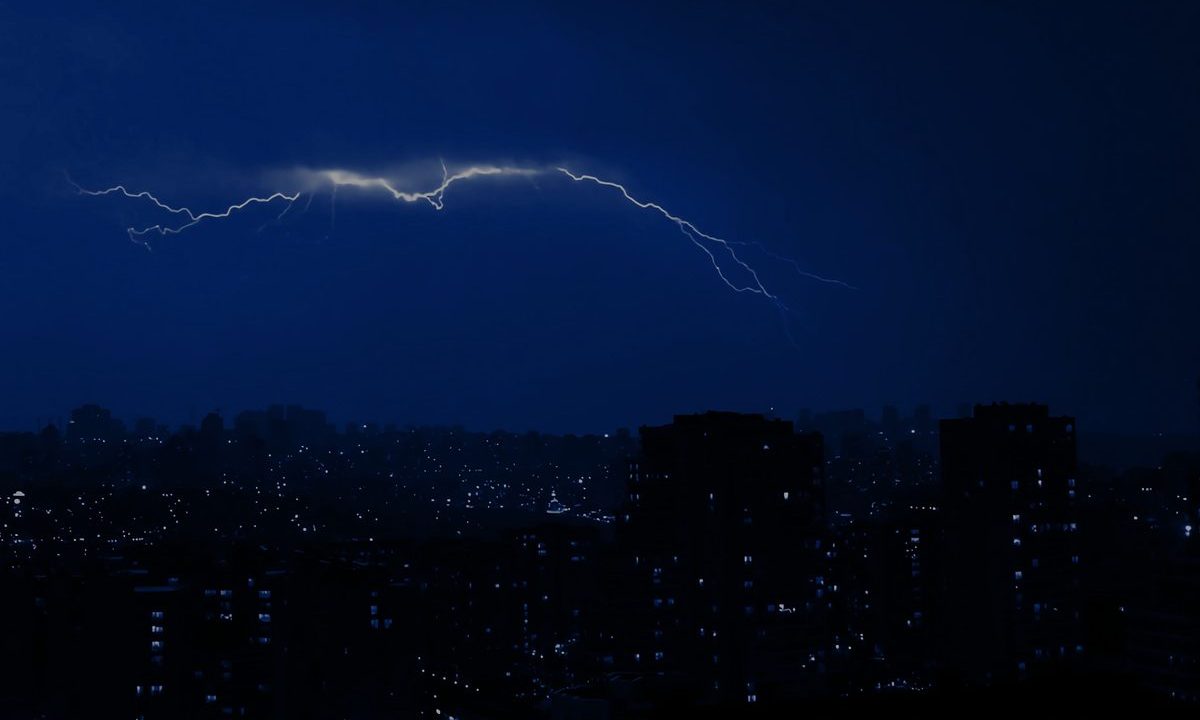
A power station is that which keeps the essentials going when the lights go out. These are all silent, gas free and fume free, all are indoors and none have a cord running out of a window. But they are not designed to run a whole house for hours and there are both disappointment and danger to life and property to using them to try to immediately run something like central air or an electric dryer in a power outage. Misuse of a power station to run things beyond their designed limits for length of time to power things to then recharge in the dark of a power outage occurs when one does not know their limits to use a power station for.
Step-by-step: Powering Essentials in a Power Outage
- Prioritize the true essentials. What are the things that truly matter during a power outage? Fridge/ freezer to save the food, phones and a router to stay in touch, some lights, a fan or small heater and any important medical equipment such as a CPAP. Make a list of these items with their required running watts.
- Calculate realistic runtime. A fridge cycles on and off, so it averages far less than its running watts over an hour; a CPAP (30–60W) can run most of the night off a ~1000Wh unit. Use Wh × 0.85 ÷ watts per device and total them.
- Know what it can’t run. A 120V power station generally can’t run central AC (3,000–5,000W), an electric dryer, an electric range/oven, or a well pump. Don’t plan around those — for whole-home backup of those loads, talk to a licensed electrician or solar installer.
- Recharge during the outage. Extend runtime with portable solar panels (daytime), your car’s 12V outlet, or a gas generator run safely outdoors. Solar can make a power station effectively indefinite in a long outage.
- Indoor safe usage. Our power stations are powered by battery as opposed to gas generators, therefore there is no exhaust. Safe usage indoors but ensure well ventilated and do not place in a sealed cabinet or where subject to flooding. Ideally position on a raised surface.
Safety tips: never run a gas generator indoors or in a garage to recharge — carbon monoxide is deadly; the power station itself is fine inside. Size medical-device backup (CPAP) with extra margin.
Pro Tips
- A fridge’s average draw over time is much lower than its label — because it cycles, a mid-size unit can keep food cold surprisingly long.
- Pair a 1000Wh+ station with a solar panel to turn a fixed battery into an all-day supply.
- Skip the CPAP humidifier during an outage — it dramatically stretches runtime.
Common Problems & Fixes
- Battery drains fast → you’re running a high-watt appliance (space heater, microwave). Reserve those for short bursts.
- Can’t run central AC → expected; it’s beyond a portable unit. Use fans instead.
- Runs out overnight → undersized for the fridge + devices. Add an expansion battery or solar.
- Won’t power the well pump → the 120V limitation; that needs different equipment.
Related on GarageVetted
- Buying guide: Best Portable Power Station to Pick in 2026
- How to Choose the Right Size Portable Power Station (Watts & Watt-Hours)
- How to Recharge a Portable Power Station With Solar Panels
In a power outage, list your true essentials first — fridge, a few lights, phone and medical devices — and add up their running watts before you plug into a portable power station. Skip high-draw items like an electric dryer or central AC unless the unit is rated for them. For outage prep checklists, see ready.gov.
Related reviews
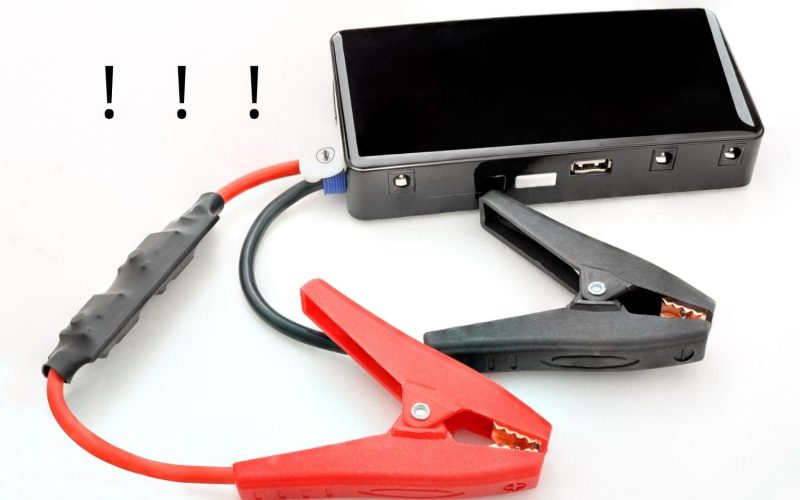
11.1V vs 14.8V Jump Starters: What Really Determines Starting Power?
Peak amps dominate jump starter advertising, but that headline number does not tell you how well a portable booster will…
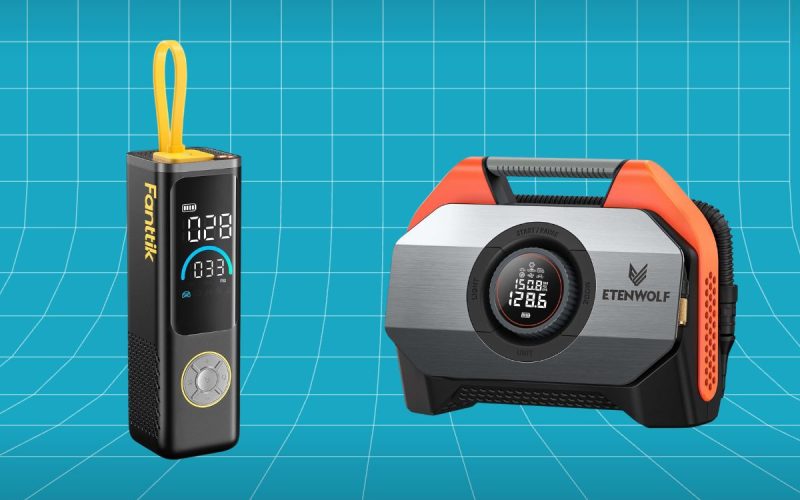
Fanttik X9 APEX vs ETENWOLF VORTEX S6: Premium Tire Inflator Showdown
Fanttik X9 APEX vs ETENWOLF VORTEX S6: Premium Tire Inflator Showdown The Fanttik X9 APEX vs ETENWOLF VORTEX S6 matchup…
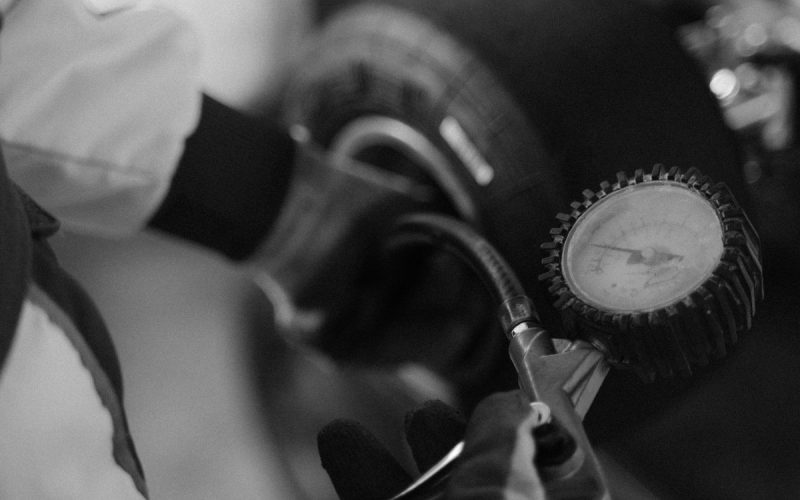
What PSI Should Car Tires Be? The Right Pressure for Every Vehicle
What PSI Should Car Tires Be? The Right Pressure for Every Vehicle What PSI should car tires be? For most…