
How to Use a Portable Jump Starter to Start a Dead Car (Safely)

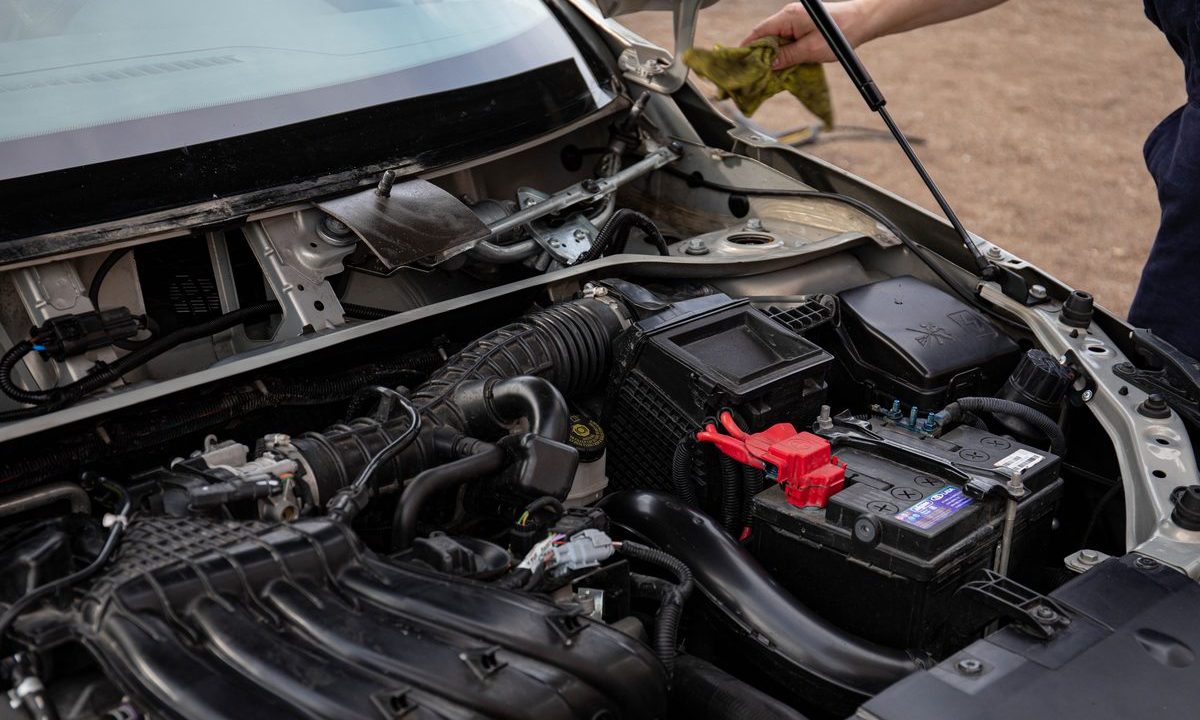
A portable jump starter lets you revive a dead battery in minutes without flagging down another driver. This guide walks through the safe, correct way to connect and use one so you get back on the road without risking a spark or a damaged battery.
A dead battery is the most common reason a car won’t start. Getting a car with a dead battery started has become much easier thanks to the portable jump starters on the market today. They are often referred to as jump boxes. There is great potential for fire, especially from the hydrogen gas that a battery vents. However, the chances of a fire occurring can be reduced if the units are used correctly and there is no chance of sparks when making connections to the battery. Fire can occur immediately in rare cases.
Three critical mistakes were made to create these problems: 1. Reversing the clamps, 2. Clamp the black lead directly to the dead negative post of the battery, 3. Grinding the starter for 20 seconds or more.
Step-by-step
- Park and prep. Make sure your car is in park (or neutral) and the engine is turned off. Make sure your parking brake is engaged. Make sure your boost cable jump starter is fully charged. Make sure the two wire clamps are not touching each other.
- Red clamp to positive terminal of dead battery. Connect red clamp to positive terminal of dead battery. This is usually marked with a (+) sign or POS on terminal.
- Black Clamp to Ground and not to Battery. Attach the black (-) clamp to some bare metal (such as the engine block or frame of car). Make sure that the surface that you attach the clamp to is an unpainted surface and that you are at least a few inches away from the battery. This will prevent any sparks that may develop when jumping to the battery from igniting the gas in the tank.
- Power on and crank. If the power unit has a power switch, turn it on. Use short bursts of 3 seconds to 5 seconds max. If the engine does not fire after 30 seconds of attempting to start, return to base as the problem described is not a flat battery. Three or four short bursts of attempting to start the engine is max.
- Disconnect in reverse. When powering off the battery tester, first release the black clamp followed by the red clamp. The unit will then turn off and will need to be recharged.
Safety tips: wear eye protection, heed the reverse-polarity alarm (modern smart clamps beep and refuse to output if connected backwards — don’t force it), and never let the clamps touch while the unit is powered on.
Pro Tips
- If the unit beeps or shows a fault the moment you connect, you’ve reversed the clamps or chosen a poor ground. That alarm is a safety feature, not a glitch.
- A deeply discharged battery may need the jump box connected for 1–3 minutes to build enough surface charge before it will crank. Wait it out instead of stabbing the starter.
- After a successful jump, drive 20–30 minutes (or put the battery on a charger). The jump only started the car — the battery still needs to be recharged.
Common Problems & Fixes
- Nothing happens, no lights → the jump starter itself is dead. It needs its own charge.
- Clicks but won’t crank → poor clamp contact (clean the terminal and ground point) or the pack is too small for the engine.
- Unit beeps and won’t output → reverse polarity. Move the clamps to the correct terminals.
- Starts, then dies → likely a failing alternator or a battery that won’t hold charge. Get both tested.
Safety Checks Before You Use a Portable Jump Starter
Before you connect a portable jump starter, run through a few quick safety checks. Confirm the unit is charged, set the ignition to off, and put the vehicle in park with the handbrake on. Inspect the battery: if you see cracks, leaks, or heavy corrosion, or if the battery is frozen, stop and call for help rather than attempting a jump. Keep the clamps apart until you are ready to connect, and never let the red and black clamps touch each other while the pack is powered on.
Connect the red clamp to the positive terminal first, then the black clamp to a clean, unpainted metal ground away from the battery. Power on the pack, start the engine, and remove the clamps in reverse order. Routine battery care prevents most no-starts in the first place — NHTSA recommends regular vehicle maintenance to keep your electrical system reliable. Done in the right order, a jump takes only a couple of minutes.
Related on GarageVetted
Related reviews
11.1V vs 14.8V Jump Starters: What Really Determines Starting Power?
Peak amps dominate jump starter advertising, but that headline number does not tell you how well a portable booster will…

What PSI Should Car Tires Be? The Right Pressure for Every Vehicle
What PSI Should Car Tires Be? The Right Pressure for Every Vehicle What PSI should car tires be? For most…

Can You Overinflate a Tire? Max PSI vs Recommended PSI, Explained
Can You Overinflate a Tire? Max PSI vs Recommended PSI, Explained Can you overinflate a tire? Yes — easily, and…