
Tire Pressure in Cold Weather: Why Your PSI Drops When Temperatures Do

Tire Pressure in Cold Weather: Why Your PSI Drops When Temperatures Do
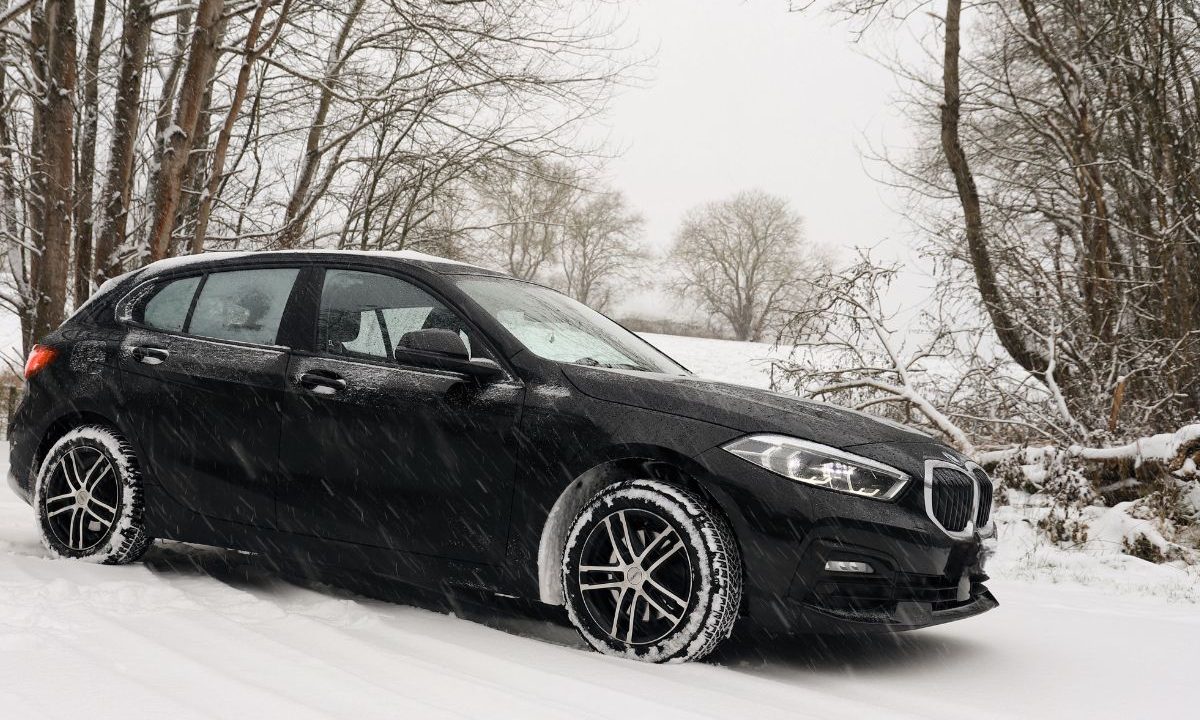
Tire pressure in cold weather follows one stubborn rule: for roughly every 10°F the temperature falls, your tires lose about 1 PSI. That’s why the first frosty morning of the season lights up TPMS warnings across every parking lot in the northern half of the country at once — millions of tires didn’t spring leaks overnight; the air inside them simply contracted. Here’s the physics in plain terms, what it means for how you set pressure from October through March, and the winter-specific mistakes worth avoiding.
The Physics, Minus the Homework
Air pressure is molecules colliding with the inside of your tire. Chill the air and the molecules slow down, colliding less often and less hard — pressure falls, no air lost. It’s the gas law you slept through in chemistry (Gay-Lussac’s law, for the curious), and it’s unforgiving in fall: a tire set to 35 PSI on a 70°F afternoon reads about 31 PSI on the season’s first 30°F morning — right at the threshold where TPMS systems start complaining. Park outside versus in a garage and the swing gets bigger.
Why “It Clears Up by Lunch” Is a Trap
Two things happen after that cold-morning warning: the day warms, and driving heats the tires several PSI. The light goes out, and the driver concludes it was a false alarm. It wasn’t. The tire spends every cold morning — and every long cold night highway run — genuinely underinflated: more flex, more heat cycling, more shoulder wear, longer stops, worse fuel economy, exactly as the Department of Energy’s maintenance data tallies. The seasonal warning is a real request for air. The fix is topping up to the door-jamb placard at cold-morning temperatures, and the mechanics of a light that lingers after you do are covered in our TPMS troubleshooting guide.
Setting Pressure Correctly in Winter
- Check cold — truly cold. Before driving, outside if that’s where the car lives. Placard numbers are cold specs, as our what-PSI guide explains.
- Fill to placard, not placard-plus. Deliberately overinflating “for winter” hurts snow traction — a smaller contact patch is the last thing ice needs. The overshoot costs are itemized in our overinflation guide.
- Recheck monthly, and after cold snaps. A 30-degree temperature plunge moves every tire ~3 PSI. October, then each hard front, then the January deep freeze.
- Mind the warm-garage illusion. Fill in a 60°F garage and the placard-perfect tire goes under-spec the moment it parks outside overnight. Compensate by checking after the car has cold-soaked outdoors.
Winter and Your Inflator: Two Practical Notes
First, this season is the entire argument for owning a tire inflator — driveway top-offs in slippers beat gas-station air in sleet, and the season demands three or four of them. Our ranked best tire inflators covers the field, with the compact trunk picks being the natural winter-kit choice. Second, if yours is battery-powered, remember lithium cells deliver less in the cold and self-discharge in storage — charge it when you swap to winter habits, a routine our cordless ranking preaches. Corded 12V units shrug at temperature, one reason they persist in northern emergency kits.
And in Spring, It Reverses
The same law runs backward in April: warming air raises pressure, and tires topped up in a January cold snap can sit a few PSI over placard by the first warm week. The monthly cold-morning check catches both directions — it’s one habit, not a seasonal project.
Bottom Line
Cold weather doesn’t damage your tires’ air — it shrinks it, about 1 PSI per 10°F, and TPMS is right to complain. Top up to the placard number at cold-morning temperatures, skip the “winter overinflation” folklore, recheck after every hard front, and keep a charged inflator where the weather is. Do that and the amber horseshoe stays dark until spring — when you’ll bleed a little of it back out.
Related reviews
11.1V vs 14.8V Jump Starters: What Really Determines Starting Power?
Peak amps dominate jump starter advertising, but that headline number does not tell you how well a portable booster will…
Airing Down Tires for Off-Roading: Pressures, Technique, and the Fast Way Back Up
Airing Down Tires for Off-Roading: Pressures, Technique, and the Fast Way Back Up Airing down tires for off-roading is the…
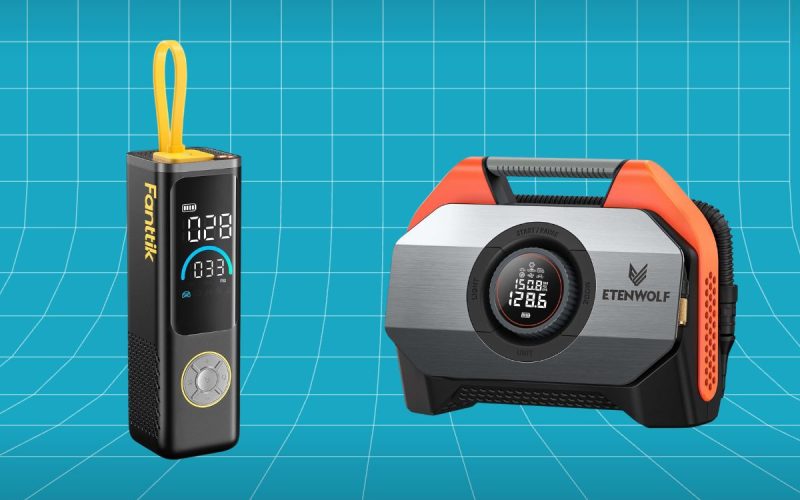
Fanttik X9 APEX vs ETENWOLF VORTEX S6: Premium Tire Inflator Showdown
Fanttik X9 APEX vs ETENWOLF VORTEX S6: Premium Tire Inflator Showdown The Fanttik X9 APEX vs ETENWOLF VORTEX S6 matchup…