
How to Choose the Right Size Portable Power Station (Watts & Watt-Hours)

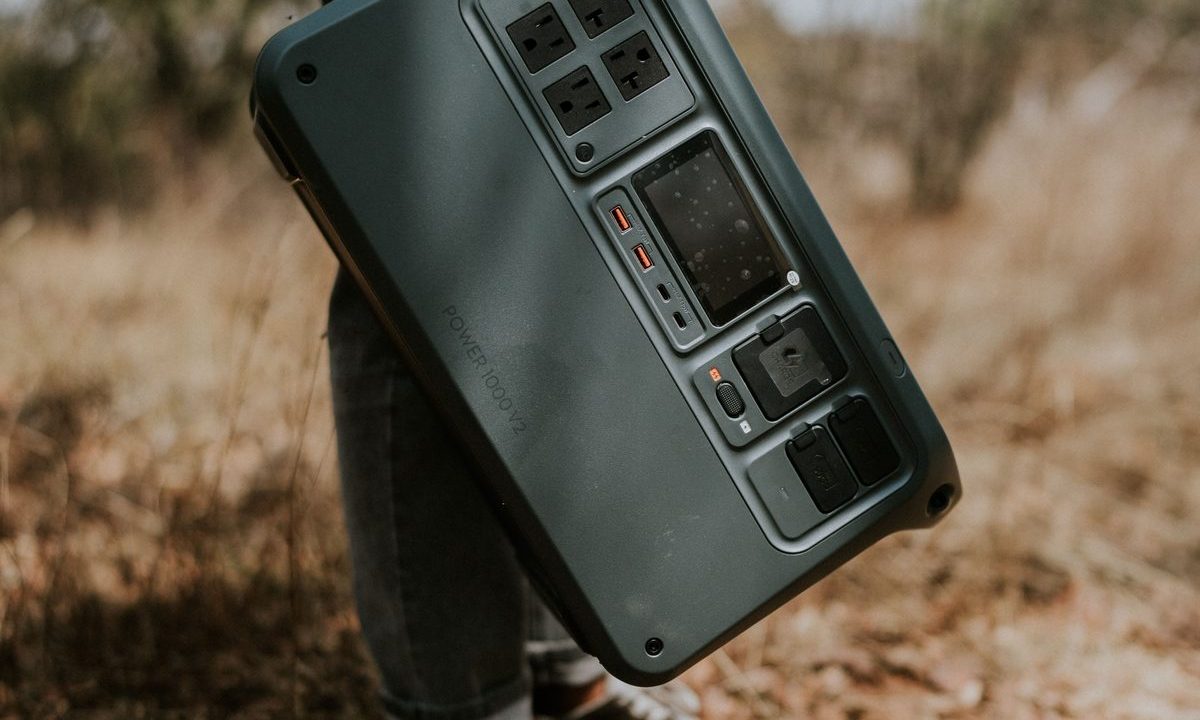
I have seen it posted that the two numbers (Amperes x Volts and Hours x Amperes) are frequently mixed up by buyers, when in fact they tell two completely different pieces of information about a power station. The first number (as in a generator) measures how many items a station’s engine can supply power to at any one time, whereas the second measures how long that same amount of power can be supplied to a single item, and thus forms the basis of a station’s fuel tank capacity measurements (in watt-hours, not simply watts). A high watt-hours rating combined with very low watts would for example not power a microwave, a high watts rating with very low watt-hours would for example switch off after an hour. Finally it must be noted that nearly all motors incorporate a ‘surge-watt’ lockout for a few seconds, of between 2-3 times running watts. Hence one can very easily purchase the incorrect sized power station for one’s needs.
Step-by-step: Sizing a Portable Power Station
- Size by 2 numbers. Watts (W) = max simultaneous watts / #amps drawn by said watts. Watt-hours (Wh) = stored energy = runtime. Use Watts to size for highest quantity of wattage to be used at the same time. Use WH to find out how long size quantity of watts will run.
- Add up running watts, then add 20%. Total the running watts of everything you’ll power simultaneously and add a 20% buffer so you’re not riding the inverter’s ceiling.
- Check the surge (starting) watts for large appliances like refrigerators, pool pumps and power tools. These appliances’ starting watts can be 2-3 times higher than their running watts. Thus, an appliance’s running watts may be fine but its surge watts might exceed what your electrical panel can handle. Check the starting watts for the largest appliance in your home, and make sure that there is enough capacity in your electrical panel to start this appliance.
- Estimate runtime from watt-hours. A practical formula: runtime (hrs) ≈ Wh × 0.85 ÷ device watts (the 0.85 covers inverter/efficiency losses). A 1000Wh unit running a 60W CPAP ≈ 14 hours.
- Pick a size tier. Small (150–500Wh) for phones/laptops/CPAP/camping; medium (500–2000Wh) for a fridge plus electronics for a while; large (1000Wh+ / expandable) for longer outages. Buy 20–30% more than you think — you’ll use more, and batteries fade over time.
Buying note: confirm the output ports (number of AC outlets, USB-C PD wattage) match your devices, and favor units that accept expansion batteries.
Pro Tips
- Match watts first (can it start and run the device?), then use watt-hours for runtime — in that order.
- Buy 20–30% headroom — real loads and battery aging both eat into the rated numbers.
- LiFePO4 (LFP) chemistry lasts far more charge cycles than older lithium — worth it for a unit you’ll keep for years.
Common Problems & Fixes
- Device won’t start, station shows “overload” → surge watts exceeded. Need higher surge headroom or a smaller device.
- Dies faster than expected → you sized Wh for ideal, not real (apply the 0.85 factor), or added loads.
- Can’t run microwave + kettle together → combined running watts exceed the inverter. Stagger their use.
- Won’t fast-charge a laptop → check the USB-C PD wattage of the port.
Related on GarageVetted
- Buying guide: Best Portable Power Station to Pick in 2026
- How to Power Your Home Essentials During an Outage With a Power Station
- How to Recharge a Portable Power Station With Solar Panels
When you size a portable power station, add up the running watts of everything you want to run at once, then check the starting (surge) watts of motors like a fridge or pump. Match that to the unit’s watt-hours for runtime. For appliance wattage references, see the energy data at energy.gov.
Related reviews
11.1V vs 14.8V Jump Starters: What Really Determines Starting Power?
Peak amps dominate jump starter advertising, but that headline number does not tell you how well a portable booster will…

Airing Down Tires for Off-Roading: Pressures, Technique, and the Fast Way Back Up
Airing Down Tires for Off-Roading: Pressures, Technique, and the Fast Way Back Up Airing down tires for off-roading is the…
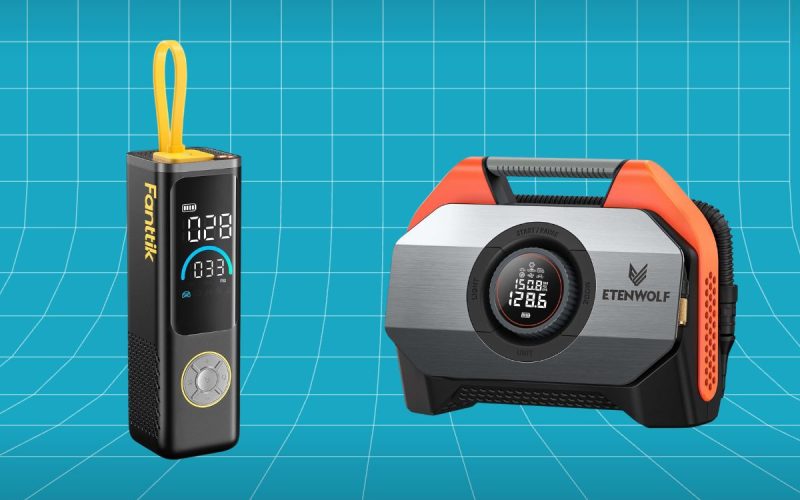
Fanttik X9 APEX vs ETENWOLF VORTEX S6: Premium Tire Inflator Showdown
Fanttik X9 APEX vs ETENWOLF VORTEX S6: Premium Tire Inflator Showdown The Fanttik X9 APEX vs ETENWOLF VORTEX S6 matchup…