
How to Choose Between a Cordless Stick and an Upright/Canister Vacuum


Most consumers make the choice of appearance over functionality when choosing a vacuum at the vacuum aisle. There are several styles of vacuums that consumers can choose from such as the sleek cordless stick, the classic upright vacuum, or the canister with the removable wand. What most people do not know is that each of these types of vacuums are better suited for different homes and different floor surfaces. Without realizing it, consumers can choose a vacuum that will not provide good carpet cleaning or be a heavy, cumbersome piece of equipment that will be pulled out of the closet only to be put back after use.
Step-by-step: Cordless Stick or Upright?
- Cordless stick — convenience first. The cordless stick or hand vacuum is the lightest vacuum on the market (typically weighing less than 7 lbs) designed for convenience. It can instantly transform into a portable hand vacuum and be used for cleaning such things as stairs, cars, upholstery and more. These type of vacuums have limitations to include less time of operation (older models around 15-30 minutes, newer models with more extended time), they have very small vacuum cleaner dirt bins and the batteries will loose power over time. Quick cleanups, apartment dwellers and people with only hard surface flooring in their homes would benefit from this style of lightweight vacuum.
- Upright – The Carpet Powerhouse. Upright vacuum cleaners are equipped with very powerful motors. Their powerful powered brushroll in combination with variable height settings and a large dirt container make uprights the best vacuum cleaners for cleaning wall-to-wall carpet and very thick rugs. Although they are very heavy for their size and can be very loud they are the best choice for homes with lots of carpet.
- Canister — versatile and strong. The Canister is the vacuum with the most suction on bare floors (hardwood, tile, etc.) and uses a light wand that you steer while the body of the vacuum sits in one place. It has a big capacity and lots of attachments. The Canister is perfect for people with mostly hard floors and lots of stairs, or mixed floors. The Canister is a two piece vacuum so it can be a bit bulky in storage.
- Runtime vs. Suction and Capacity. When weighing up trades that are cordless as opposed to corded uprights / Canisters you’ve got to weigh up the convenience and sustained power that they can offer against the Bin Capacity that they offer versus a Corded upright or Canister for all of your whole house cleaning tasks.
- Pet or allergy household → insist on sealed HEPA. A true HEPA filter traps 99.97% of 0.3-micron particles (dander, dust). Get it in whichever type you choose.
By home: apartment/hard floors → cordless stick; carpeted house → upright; mixed floors + stairs → canister.
Pro Tips
- Buy for your floors: carpet-heavy → upright; mostly hard floors → canister or stick.
- A cordless’s battery is a consumable — check whether it’s user-replaceable before you commit to that ecosystem.
- For allergies, a sealed HEPA system matters more than raw suction — an unsealed vacuum leaks fine dust back out.
Common Problems & Fixes
- Cordless dies mid-clean → runtime too short for your home. Get a spare battery or step up to corded.
- Upright scatters debris on bare floors → turn off/adjust the brushroll; a canister suits hard floors better.
- Too heavy to haul upstairs → a cordless stick or canister (lighter to maneuver) fits better.
- Allergies still flaring → likely a non-sealed filter. Switch to true sealed HEPA.
Related on GarageVetted
- Buying guide: Best Car Vacuum to Pick in 2026
- How to Get a Vacuum to Actually Pick Up Pet Hair
- How to Deep-Clean Carpet Stains and High-Traffic Areas at Home
Pick a cordless stick if you want grab-and-go cleaning, hard floors, and quick pickups; its trade-offs are runtime and smaller bins. Choose an upright or canister when you need maximum sustained suction and capacity for deep carpet and whole-home cleaning. Many homes end up with both — a cordless stick for daily touch-ups and a corded unit for the weekly deep clean. For energy-use comparisons between vacuum types, see energystar.gov.
Related reviews
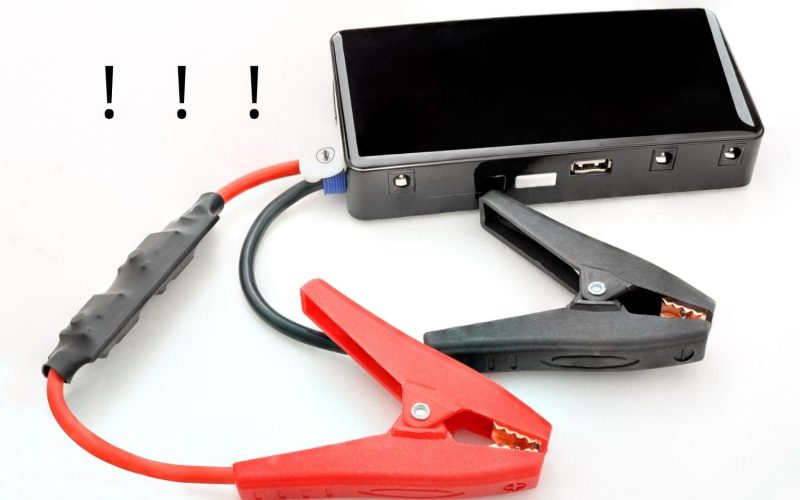
11.1V vs 14.8V Jump Starters: What Really Determines Starting Power?
Peak amps dominate jump starter advertising, but that headline number does not tell you how well a portable booster will…

Airing Down Tires for Off-Roading: Pressures, Technique, and the Fast Way Back Up
Airing Down Tires for Off-Roading: Pressures, Technique, and the Fast Way Back Up Airing down tires for off-roading is the…
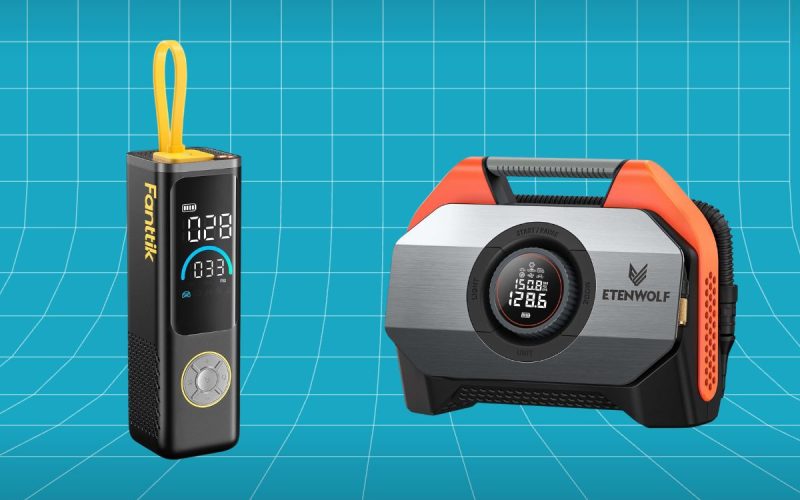
Fanttik X9 APEX vs ETENWOLF VORTEX S6: Premium Tire Inflator Showdown
Fanttik X9 APEX vs ETENWOLF VORTEX S6: Premium Tire Inflator Showdown The Fanttik X9 APEX vs ETENWOLF VORTEX S6 matchup…