
How to Avoid Stripping or Over-Tightening Bolts With an Impact Wrench

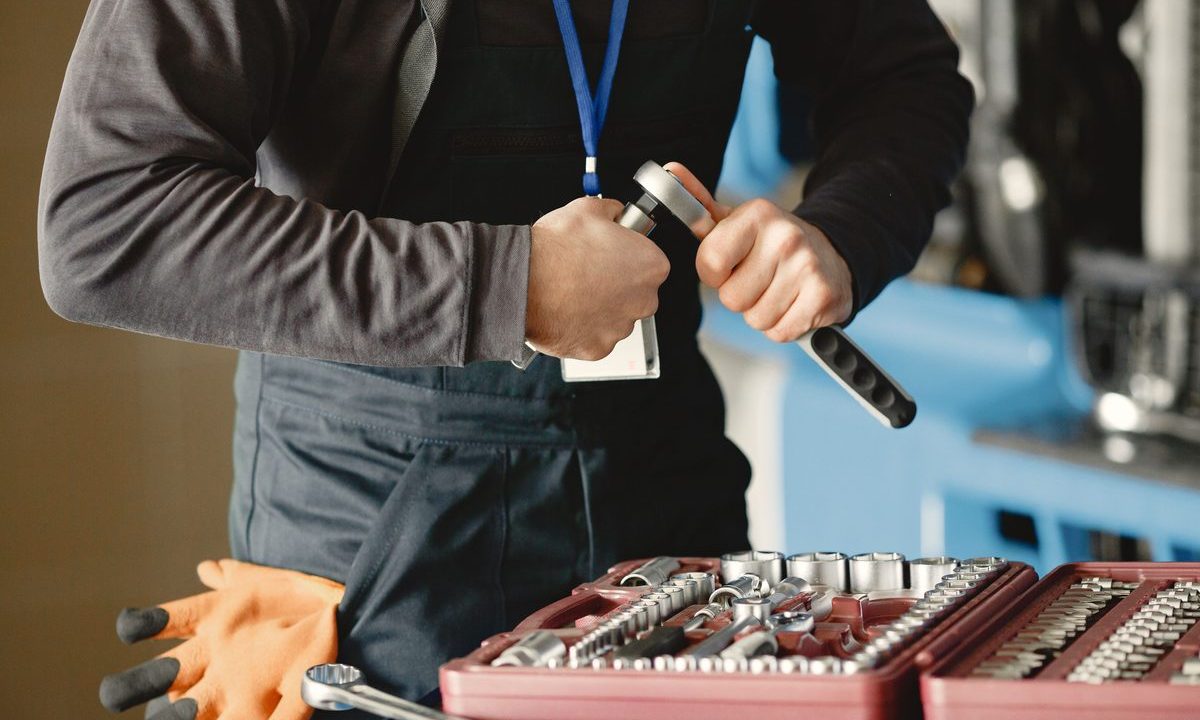
Your impact wrench makes over-tightening of your lug nuts very easy to do. Over-torqued wheel lugs are difficult to remove and can cause serious damage. The lugs can gouge out the surface of your brake rotors. The wheel lugs can also stretch or break your wheel studs and the stud itself. The worst case is that the wheel lugs can even break. Avoid all of this by not using your impact wrench to tighten your lugs. Instead use a wrench that has an internal torque limiter. Once you have reached the limiter, finish up the lugging by using a torque wrench to make sure that they are torqued to the correct specification.
Step-by-step: Torque Wrench Basics
- Over-torquing: what happens? Over-torquing of bolts in fixing a brake rotor means the threads on the studs get stripped, the bolts become elongated (beyond their elastic limit) and because of unequal application of force to the brake rotor surfaces, it becomes warped. The excess force put on the nuts while tightening is transferred to the steering wheel when braking and causes the wheel to shimmy.
- Don’t use the impact for the final tightening. Use the impact to snug up the nut and then back it off about 1/8 of a turn. Impact wrenches have no idea when to stop and will over torque.
- Use torque sticks (torque-limiting extensions) – also called torque-limiting extensions. These are supplied in different colors and vary in required torque values. These tools extend your driving tool. They are designed to flex at a pre-determined torque when using an impact wrench driving fasteners. This will prevent too much force being put on a fastener.
- Use the tool’s adjustable/precision modes whenever possible. Many tools available today are very fine tuned and include impacts with adjustable torque/speed, as well as auto-stop precision modes for example. Use the lower torque setting for the smaller fastener to prevent stripping.
- Always finish with a torque wrench, in a star pattern. Snug all lugs to ~50–60% in a crisscross (star) pattern, then torque to the manufacturer’s spec (often ~80–100 ft-lbs for cars) with a click torque wrench. Use the exact socket size to avoid rounding.
Safety tips: torque to spec, not “as tight as it goes”; re-torque after ~50–100 miles on a fresh wheel install; correct socket size only.
Pro Tips
- The impact runs it down; the torque wrench sets it right — that two-tool habit prevents rotor warp and snapped studs.
- Torque sticks are cheap insurance if you’ll use an impact on wheels.
- Star-pattern tightening seats the wheel evenly — going around in a circle can cock it and warp things.
Common Problems & Fixes
- Brake shimmy after tire work → over-torqued or uneven. Re-torque to spec in a star pattern.
- Stripped threads / snapped stud → over-torqued. Replace the stud and torque properly next time.
- Rounded lug nut → wrong socket. Use an exact-fit impact socket.
- Nuts loosen over time → under-torqued or never re-torqued. Verify with a torque wrench.
Related on GarageVetted
- Buying guide: Best Cordless Impact Wrench to Pick in 2026
- How to Remove Stuck or Over-Torqued Lug Nuts With an Impact Wrench
- How to Choose an Impact Wrench (Torque and Drive Size for Your Jobs)
An impact wrench is for removing fasteners, not final tightening — snug bolts by hand, then set them to spec with a torque wrench. For wheel lugs, run down in a star pattern with torque sticks, then do a final pass with a torque wrench so no lug is over-tightened. Over-torquing warps brake rotors and strips threads, both expensive fixes. For fastener torque and safety references, see osha.gov.
Related reviews
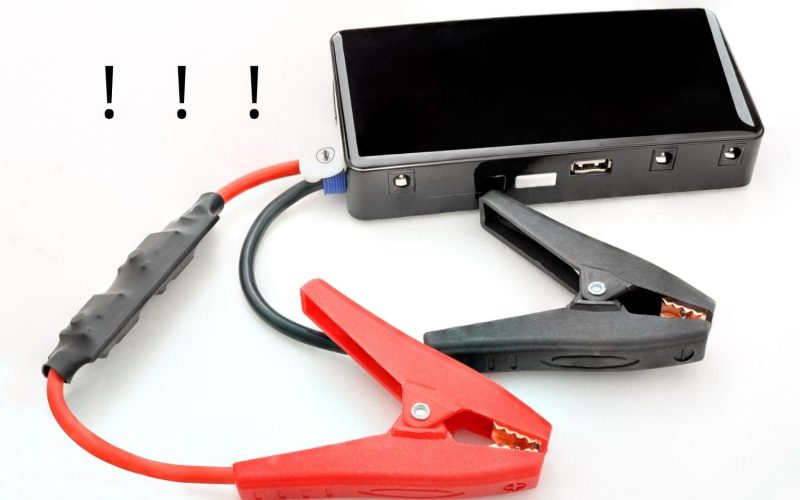
11.1V vs 14.8V Jump Starters: What Really Determines Starting Power?
Peak amps dominate jump starter advertising, but that headline number does not tell you how well a portable booster will…
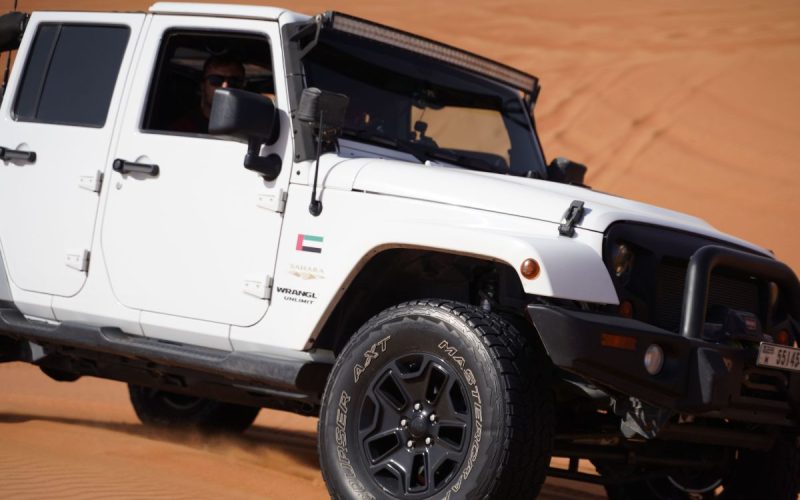
Airing Down Tires for Off-Roading: Pressures, Technique, and the Fast Way Back Up
Airing Down Tires for Off-Roading: Pressures, Technique, and the Fast Way Back Up Airing down tires for off-roading is the…
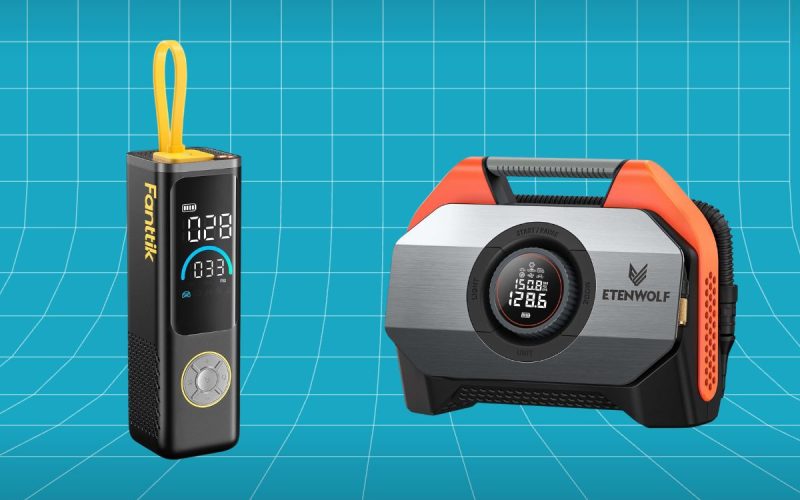
Fanttik X9 APEX vs ETENWOLF VORTEX S6: Premium Tire Inflator Showdown
Fanttik X9 APEX vs ETENWOLF VORTEX S6: Premium Tire Inflator Showdown The Fanttik X9 APEX vs ETENWOLF VORTEX S6 matchup…