
How to Choose an Impact Wrench (Torque and Drive Size for Your Jobs)

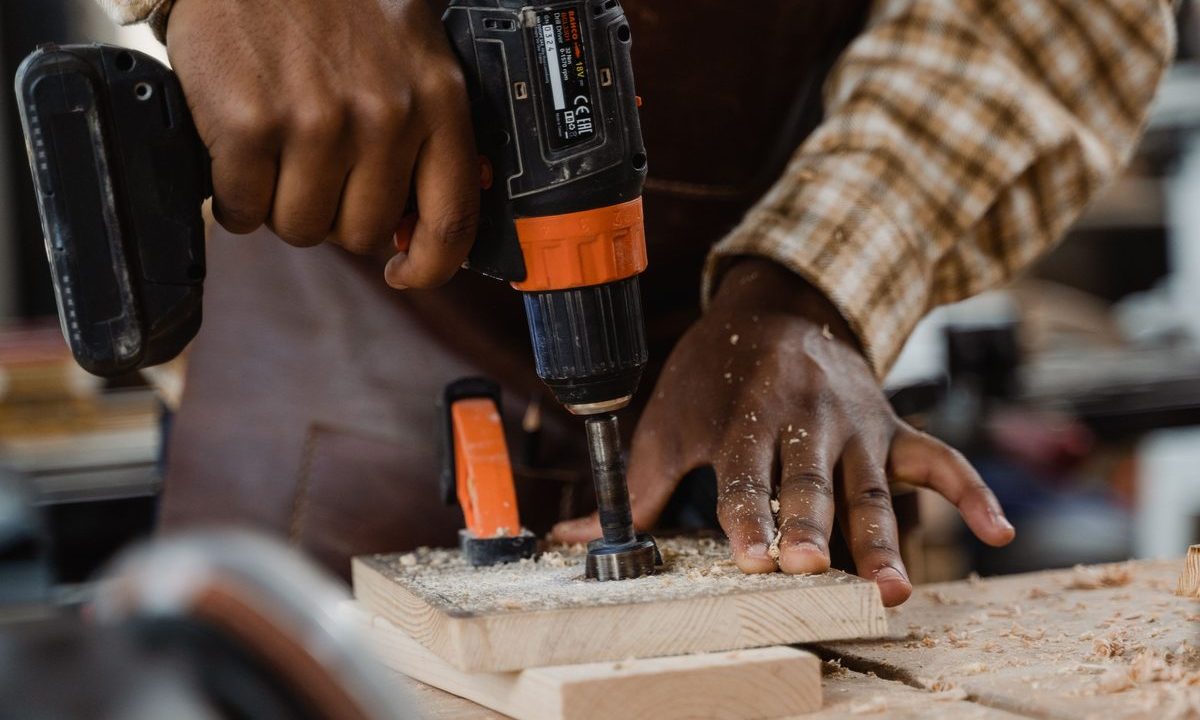
Impact wrench listings shout huge torque numbers, but there are actually two torque ratings that matter — and drive size, power source, and speed control decide whether the tool fits your jobs. Buy underpowered and it won’t crack a rusted lug nut; buy a monster 3/4″ gun for occasional tire rotations and you overpaid and can’t reach tight spots.
Step-by-step: Choosing an Impact Wrench
- Fastening (max) torque vs. breakaway (nut-busting) torque. This information must be known when dealing with stubborn bolts. Fastening (max) torque is the amount of torque required to ensure that a bolt is sufficiently fastened. Breakaway (nut-busting) torque is the higher amount of torque required for a short period of time to release a bolt that is stuck.
- Match drive size to the job. 3/8″ (up to ~200 ft-lbs) for light automotive and general work; 1/2″ for lug nuts and most automotive — the do-it-all size; 3/4″+ for heavy-duty truck and industrial fasteners.
- Pick a power source. Air (pneumatic) delivers the highest sustained torque but needs a compressor and hose; cordless (20V brushless) now reaches very high torque with total freedom of movement; corded is a middle ground. Most DIYers want a cordless 1/2″.
- Get adjustable speed/torque modes – Allow for operation in multiple modes, to only use the minimum power required to drive fasteners, e.g. delicate screws to prevent over-torquing.
- Brushless + Battery Platform. Brushless DC motors offer higher torque, longer run times and increased motor life. By sticking with your current battery platform you will save money in engineering.
By job: tires/rotations → 1/2″ cordless with ~300+ ft-lbs breakaway; general automotive → mid 1/2″; suspension/heavy → high-torque 1/2″, 3/4″, or air.
Safety note: pair any impact wrench with impact-rated sockets only (chrome can shatter) and wear eye protection — these tools throw enough torque to break parts violently.
Pro Tips
- Compare breakaway torque for removal jobs, not just the headline max torque.
- 1/2″ is the sweet spot for cars; go 3/4″/air only for truck or industrial work.
- Adjustable torque modes are what let one wrench both bust lug nuts and not destroy small bolts.
Common Problems & Fixes
- Won’t break lug nuts loose → breakaway torque too low. Get 300+ ft-lbs in a 1/2″.
- Can’t reach tight spots → drive too big. A 3/8″ or compact model fits better.
- Runs out of air/battery → compressor too small, or low-voltage battery. Upsize.
- Over-torques everything → no speed control. Get adjustable modes and finish by hand.
Related on GarageVetted
- Buying guide: Best Cordless Impact Wrench to Pick in 2026
- How to Remove Stuck or Over-Torqued Lug Nuts With an Impact Wrench
- How to Avoid Stripping or Over-Tightening Bolts With an Impact Wrench
Torque and Drive Size: What to Match
Drive size sets the class of work an impact wrench handles: a 3/8-inch impact wrench is light and great for suspension and interior bolts, while a 1/2-inch impact wrench is the standard for lug nuts and heavier automotive jobs. For a truck or rusted hardware, look for higher nut-busting torque, not just the fastening number on the box.
Also weigh power source and control. A cordless impact wrench is the most convenient; corded and air units can deliver more sustained torque. Variable-speed triggers help you avoid over-tightening, and a compact head lets the impact wrench reach tight spots. For power-tool handling and safety basics, see osha.gov.
Related reviews
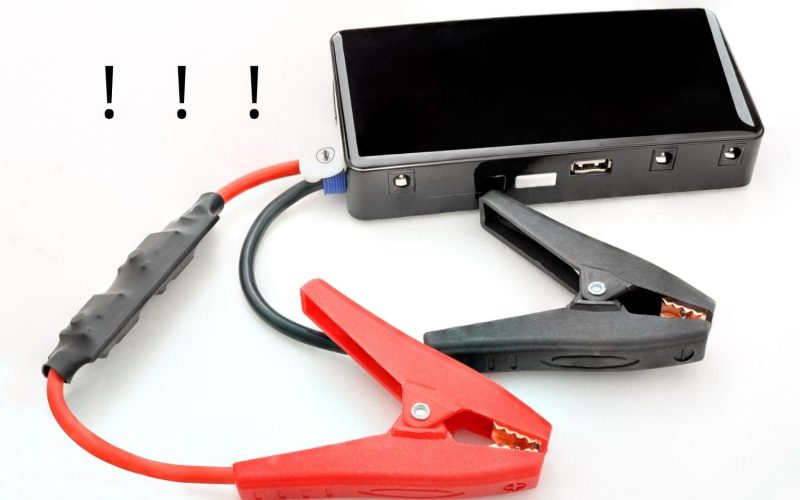
11.1V vs 14.8V Jump Starters: What Really Determines Starting Power?
Peak amps dominate jump starter advertising, but that headline number does not tell you how well a portable booster will…
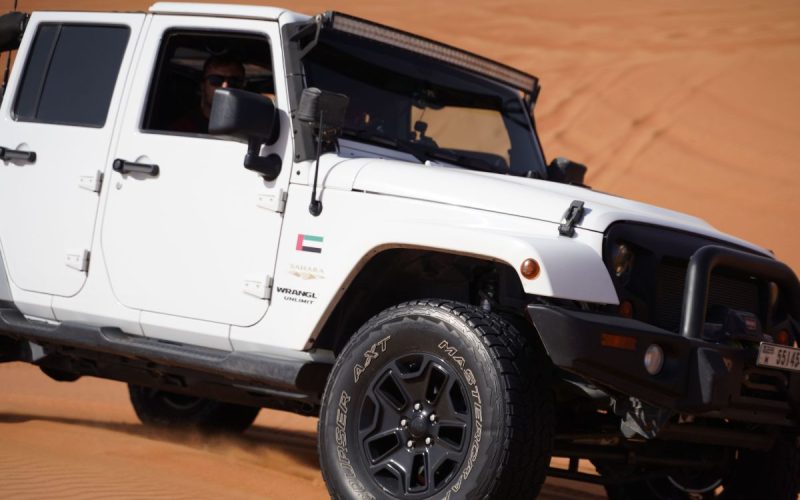
Airing Down Tires for Off-Roading: Pressures, Technique, and the Fast Way Back Up
Airing Down Tires for Off-Roading: Pressures, Technique, and the Fast Way Back Up Airing down tires for off-roading is the…
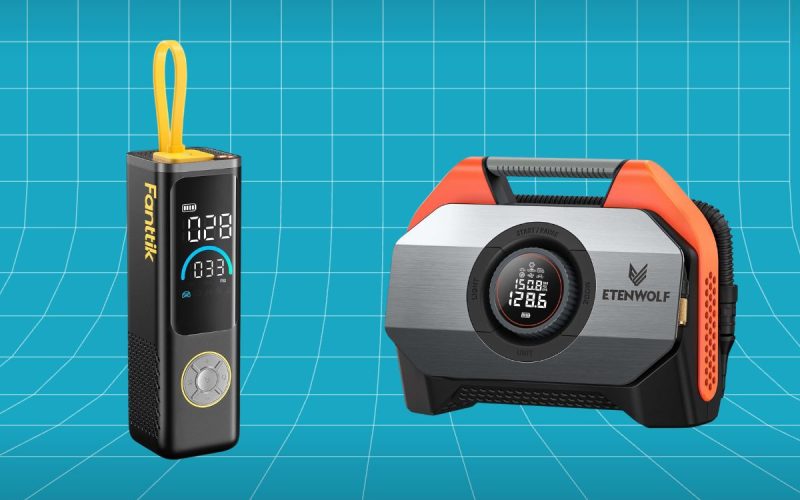
Fanttik X9 APEX vs ETENWOLF VORTEX S6: Premium Tire Inflator Showdown
Fanttik X9 APEX vs ETENWOLF VORTEX S6: Premium Tire Inflator Showdown The Fanttik X9 APEX vs ETENWOLF VORTEX S6 matchup…