
How to Choose a Tire Inflator (Car, Truck, SUV, Bike)

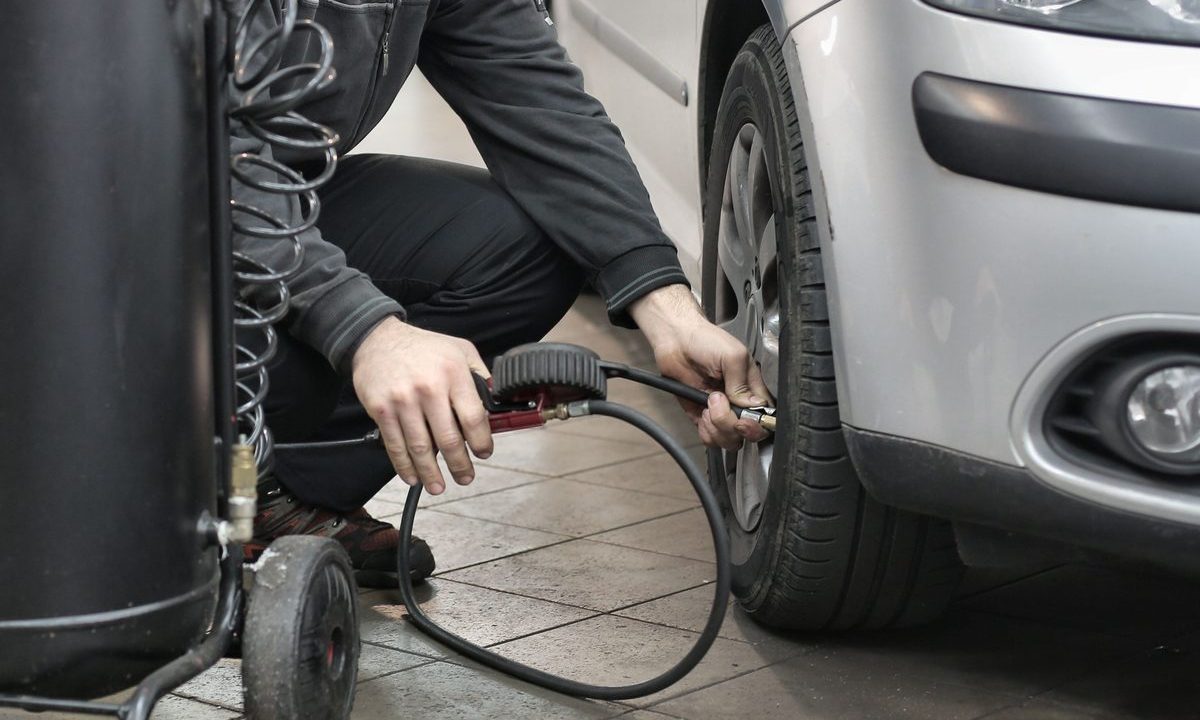
Tire inflators look interchangeable — until you try to fill a loaded truck tire with a cheap one and watch it overheat at 28 PSI. The specs that actually matter (max PSI, real airflow, and power source) are exactly the ones marketing blurs. Match them to your tires and you get a unit that fills fast and lasts; guess, and you get a toy that quits halfway.
Step-by-step: Choosing a Tire Inflator
- Max PSI: buy headroom. Cars run ~30–35 PSI, but a unit rated to ~150–160 PSI handles trucks, SUVs, and higher-pressure tires without straining. Don’t buy one that tops out near your target.
- CFM/airflow = speed. Higher CFM fills faster, which matters most on large tires. Note that advertised CFM is usually measured at 0 PSI, so real-world fill is slower — favor units known to hold output under pressure.
- Choosing the Right Power Supply for Your Needs
- 12V plug-in (cigarette lighter): most reliable roadside — runs as long as the battery has charge, but slower. Best emergency choice.
- Cordless/battery: convenient for quick top-ups and bike tires, but many struggle on big truck tires and need charging every few months.
- AC wall / dual-power: consistent for home/garage; dual-power units cover both worlds.
- Tires per charge (cordless) How many tire inflations per charge. Does it run about 20 minutes non-stop and fill up all 4 tires.
- Accuracy & fittings: A digital read out is nice. Also, the option for presets for auto shut off would be helpful. If you ever fix bikes or other sports equipment it would be better to have Presta/Schrader valves.
By use case: commuter car → compact cordless or 12V; truck/SUV/off-road → high-PSI, high-CFM 12V; mixed car + bike → dual-power with adapters.
Pro Tips
- For roadside reliability on a big vehicle, a 12V unit wired to the battery outlasts a cordless that quits mid-tire.
- Watch the “CFM at 0 PSI” trick — a unit that’s fast when empty can crawl at 35 PSI. Read tests, not just the box.
- If you air down for sand/off-road, prioritize CFM — you’ll be re-inflating four big tires from low pressure.
Common Problems & Fixes
- Overheats or won’t reach PSI on truck tires → underpowered; you need higher PSI/CFM or a 12V unit.
- Cordless dies mid-tire → too little battery for the tire size; use 12V for big tires.
- Slow to fill → low real-world CFM; upgrade for large or high-pressure tires.
- Won’t fit a bike valve → you need a Presta adapter.
Related on GarageVetted
- How to Use a Portable Tire Inflator to Set the Correct PSI
- How to Fix a Flat Tire on the Side of the Road (Inflator + Sealant)
What to Look for in a Tire Inflator
Start with max PSI: a car tire inflator only needs ~40 PSI, but truck and some trailer tires want 60–80 PSI, so buy a tire inflator rated above your highest tire. Next, check real-world fill speed — advertised numbers are optimistic, and a slow tire inflator is miserable on a cold morning. Look for an auto-shutoff at your target PSI so you don’t overinflate.
Power source decides where you can use it. A 12V tire inflator that plugs into the cigarette lighter is great roadside; a cordless, battery tire inflator adds freedom for bikes and sports gear; dual-power units do both. Set your correct pressures from the door-jamb sticker or the tire-safety guidance at nhtsa.gov/equipment/tires.
Related reviews
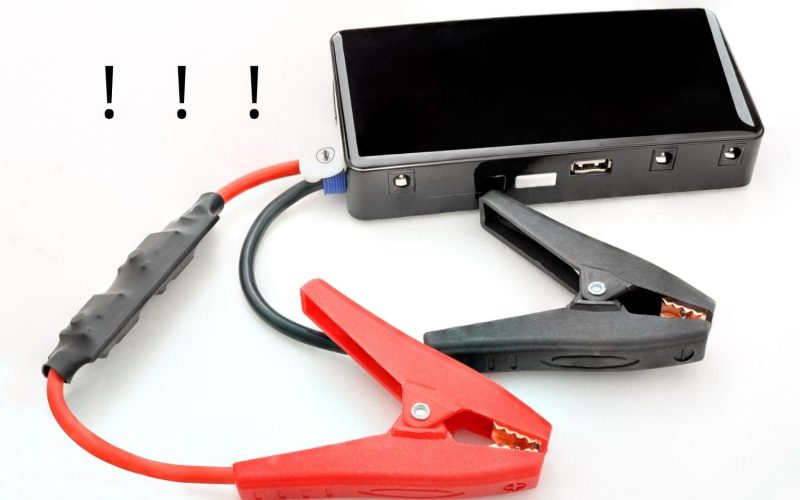
11.1V vs 14.8V Jump Starters: What Really Determines Starting Power?
Peak amps dominate jump starter advertising, but that headline number does not tell you how well a portable booster will…
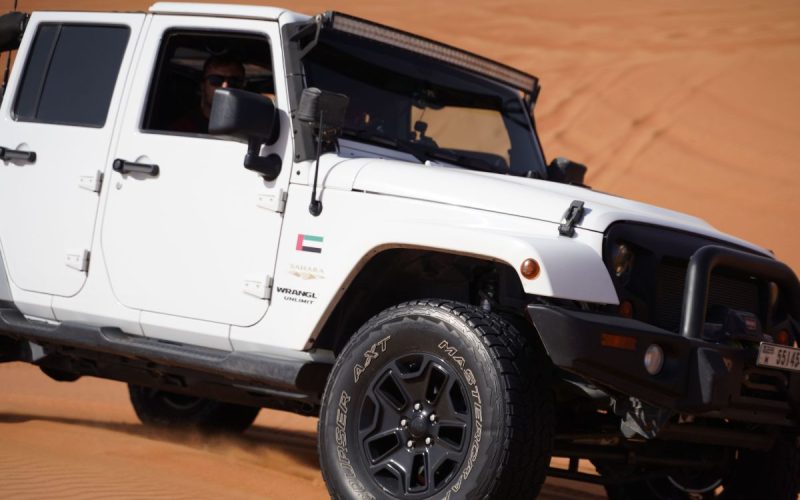
Airing Down Tires for Off-Roading: Pressures, Technique, and the Fast Way Back Up
Airing Down Tires for Off-Roading: Pressures, Technique, and the Fast Way Back Up Airing down tires for off-roading is the…
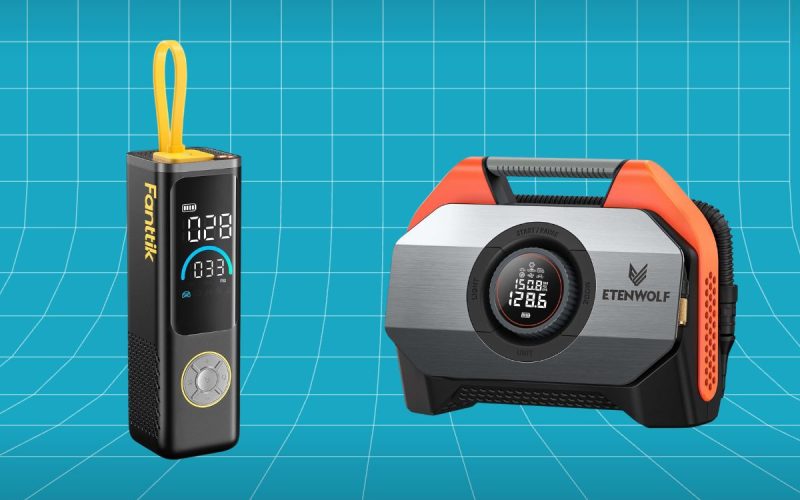
Fanttik X9 APEX vs ETENWOLF VORTEX S6: Premium Tire Inflator Showdown
Fanttik X9 APEX vs ETENWOLF VORTEX S6: Premium Tire Inflator Showdown The Fanttik X9 APEX vs ETENWOLF VORTEX S6 matchup…