
How to Fix a Flat Tire on the Side of the Road (Inflator + Sealant)

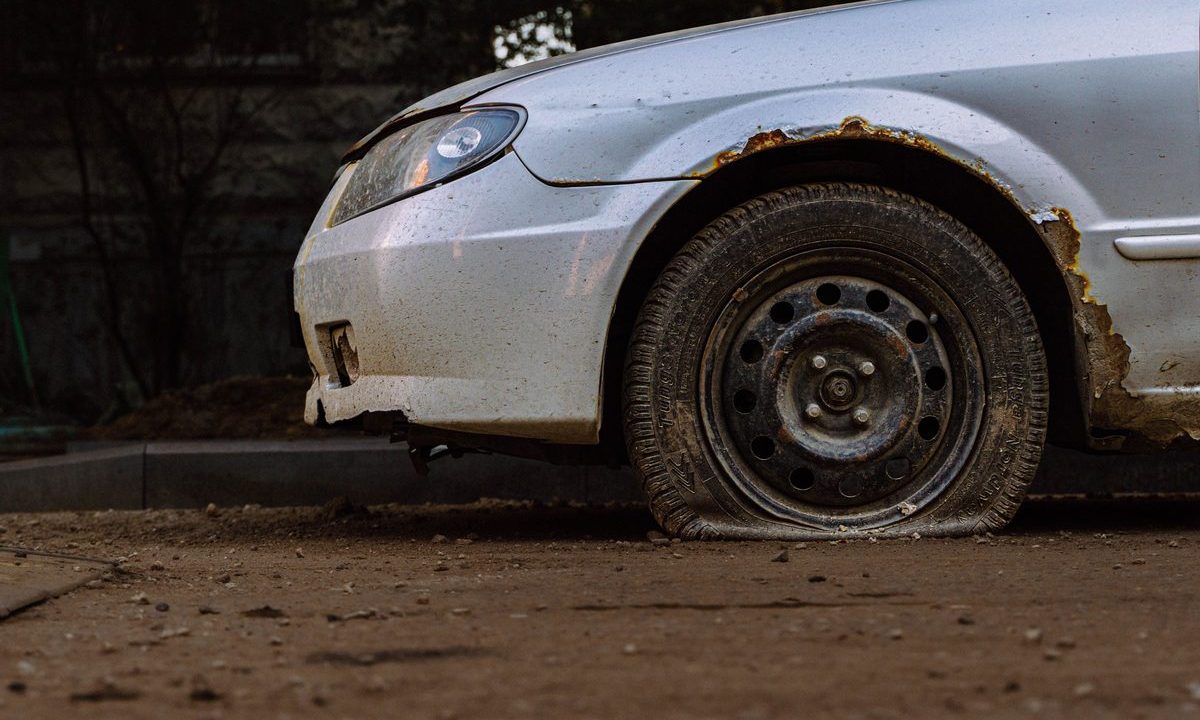
When you get a flat tire on the side of the road, there is so much stress put on you, especially if a simple mistake that could have fixed a punctured tire to make it ‘reparable’ has turned it into a ‘blown out’ tire that you are risking your life and the lives of others driving on it. Many cars that have recently left the factory have NO spare tire. In that case you will be left with either a plug kit to make a plug for a punctured tire, or tire sealant and a inflator, and be forced to travel to a tire repair shop for a temporary fix of a flat tire. The issue then becomes one of whether you can repair the flat tire, and make it roadworthy again, and which ones you can’t and will have to replace. A puncture by a nail through the center of the tire’s tread can be repaired, but a slice through the sidewall of the tire cannot.
Step-by-step: Fixing a Flat Tire
- Make safe first Pull over to side of road and stop on firm and level ground. Activate hazard lights and place a reflective triangle behind vehicle. If unable to move vehicle then call for a tow truck.
- Find and judge the damage. A puncture in the tread (roughly ¼ inch or less — a nail or screw) is a candidate for a temporary plug. Damage in the sidewall — the flexing area between tread and rim — is not repairable and the tire must be replaced. Don’t attempt holes larger than ~6 mm.
- Option A — plug kit (nail in the tread). This option involves you first removing the object from your tire, then reaming out the hole that the object made in your tire. Next you would use the same tool to stick the plug into the hole you just reamed. After that you would again use the same tool to trim the plug to flush with the rest of the tread on your tire. This type of plug is meant for only emergency/temporary repairs and is NOT meant for a permanent repair.
- Option B: Sealant + inflator combo – As before you can’t repair this type of puncture by plugging it first you would fill the tire up with a good quality tire sealant via the valve, then use an inflator to fill the tire up to the correct pressure. This type of repair is only good for a temporary repair and would need to be looked at by a good tire repairer and either repaired or replaced within approximately 100 miles.
- Re-inflate and drive easy. Use your car’s door-jamb to re-inflate your tire to the correct pressure and then very slowly and carefully drive to a tire service shop. A small object of some kind is often stuck in a tire’s tread or sidewall and can easily throw a tire out of balance.
Safety tips: never repair a sidewall, treat any plug/sealant as get-home-only, and if the tire won’t hold air, stop and call a tow.
Pro Tips
- A plug kit beats a can of sealant for a clean tread puncture: it’s faster, less messy, doesn’t gum up the TPMS sensor, and holds better temporarily.
- The gold-standard permanent repair is a combination plug-patch installed from inside by a shop — roadside fixes are always interim.
- Keep the kit and a 12V inflator in the car before you need them. Buying after a flat isn’t an option.
Common Problems & Fixes
- Tire won’t hold air after plugging → the hole is too big or in the shoulder/sidewall. It needs replacement — call a tow.
- Sealant everywhere, still flat → the puncture is too large for sealant. Tow it.
- Can’t pull the object loose → leave it in and inflate; a slow leak may still get you to a shop.
- No spare and no kit → exactly why a plug kit + inflator should live in the trunk.
Related on GarageVetted
- How to Use a Portable Tire Inflator to Set the Correct PSI
- How to Choose a Tire Inflator (Car, Truck, SUV, Bike)
Sealant and a plug kit can get a punctured tire rolling again, but they are temporary — a flat tire from a sidewall cut or a big gash is not safe to plug, so use the spare or call a tow. After any roadside repair, drive gently and get the flat tire inspected by a shop. For tire-safety and tread guidance, see nhtsa.gov/equipment/tires.
Related reviews
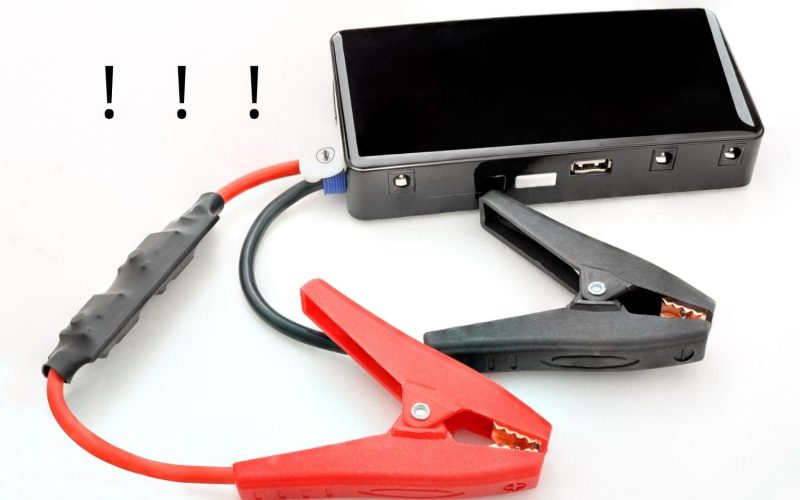
11.1V vs 14.8V Jump Starters: What Really Determines Starting Power?
Peak amps dominate jump starter advertising, but that headline number does not tell you how well a portable booster will…
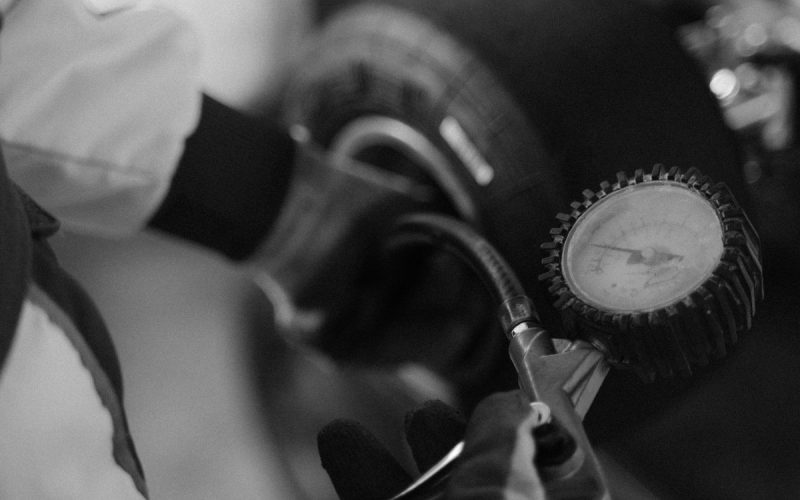
What PSI Should Car Tires Be? The Right Pressure for Every Vehicle
What PSI Should Car Tires Be? The Right Pressure for Every Vehicle What PSI should car tires be? For most…
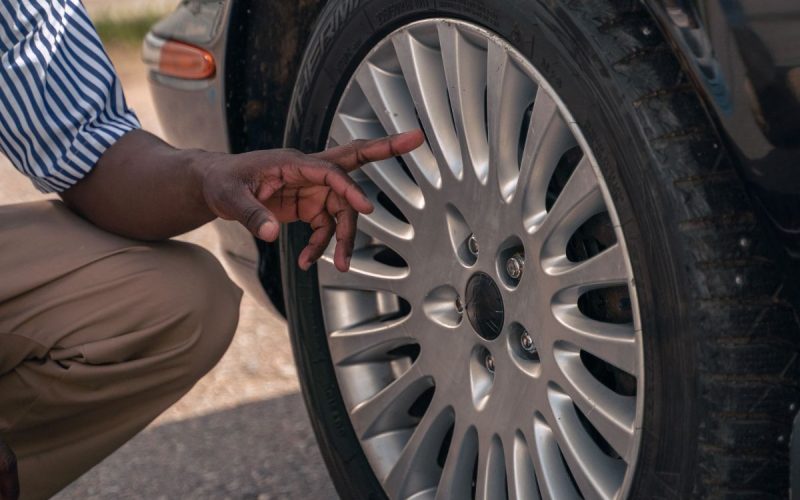
Can You Overinflate a Tire? Max PSI vs Recommended PSI, Explained
Can You Overinflate a Tire? Max PSI vs Recommended PSI, Explained Can you overinflate a tire? Yes — easily, and…