
How to Drill Into a Wall (Drywall, Brick, Concrete, Tile) Without Cracking It

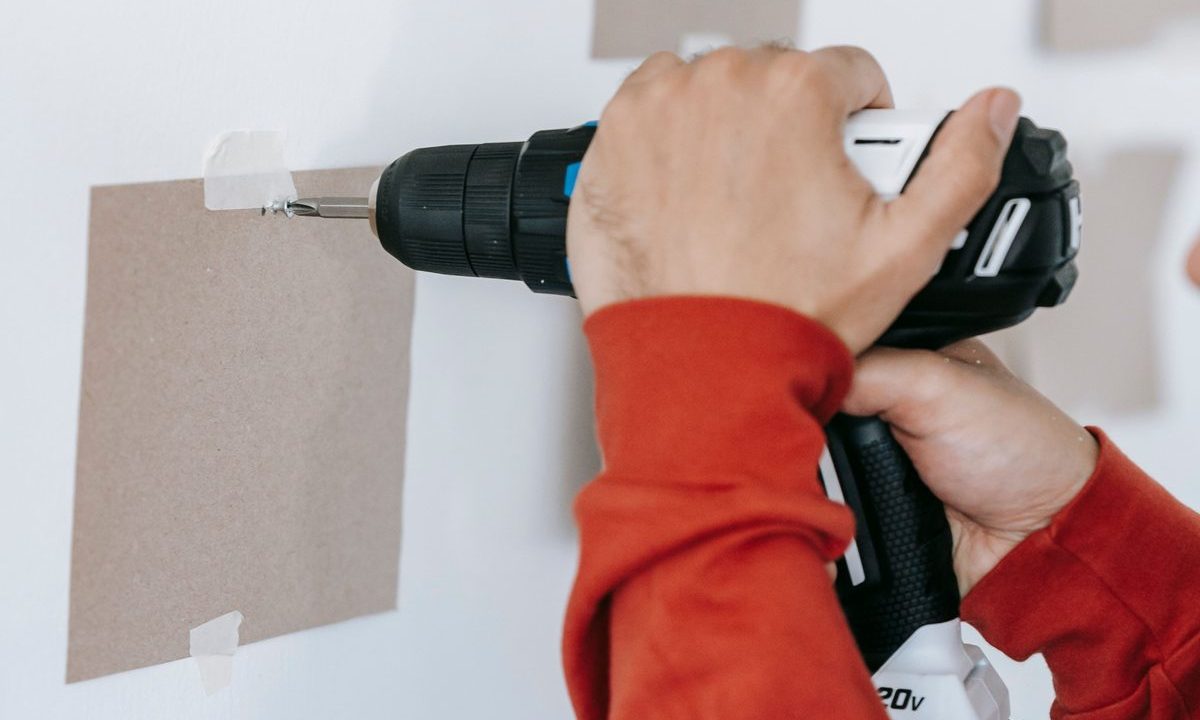
Before you drill into a wall, the first question is always what the wall is made of. Mounting a wall shelf or a wall mounted TV usually works fine until the drill starts to wobble and some tiles crack or even break. And of course a hairline crack in a brick wall spreads immediately. This way the chosen wall anchor is not able to bear any weight anymore. Every wall type needs a special drill bit (drill bit) and in some cases even a special drill. And of course the right wall anchor too. As long as you get these three things right you can mount everything without any damage.
Step-by-step: How to Drill Into a Wall
- Identify wall type & locate studs – Is your wall made of drywall affixed to studs or is it made of solid masonry such as brick, concrete or block? Screwting into studs (similar to normal wall framing) is always the strongest form of attachment and does not require any type of anchor. However, if you have drywall between your studs you will need a drywall anchor to keep your screw from pulling through the wall.
- Bit Match. Wood/Drywall: Use a standard twist bit. Masonry (Brick/Concrete): Use a masonry bit tipped with carbide. Tile: Use a tile/glass bit (spear point/diamond coated) to penetrate the tile glaze. Then use a masonry bit to penetrate the wall.
- When to use a hammer drill? A hammer drill is required when working with brick, block or concrete. These require a masonry bit and therefore should be used in dry mode (ie not as a hammer) when working with drywall or tile as hammer action can cause serious damage to these products. In all cases use plain rotary mode.
- Drill clean: pilot, low speed, clear dust. Mark the spot (stay ≥1″ from brick edges; mortar is easier to drill but brick holds heavier loads). Start slow with light, steady pressure — too much force cracks masonry and tile. Pull the bit out every 10–15 seconds to clear dust and cool it. On tile, tape over the spot and start very slowly so the bit can’t wander.
- Set the right anchor. For drywall use the right type of drywall anchor for the load. For masonry use masonry/plastic anchor or concrete screws. Make sure anchor is set flush to wall and properly screwed in.
Safety tips: wear eye protection and an N95 (masonry dust contains silica), check for wiring/plumbing before drilling, and add hearing protection with a hammer drill.
Pro Tips
- Let the tool do the work — excessive pressure is what cracks brick and tile. Steady and slow wins.
- On tile: tape + a slow start stops the bit skating, and switch hammer mode off.
- Brick vs. mortar: mortar is easier to drill and repair, but brick holds heavier items — choose by the load.
Common Problems & Fixes
- Tile cracks → hammer mode on, too much pressure, or no tape. Use a tile bit, rotary only, tape, and go slow.
- Bit won’t bite concrete → you need a hammer drill + masonry bit.
- Hairline crack in brick → drilled too close to an edge or pushed too hard. Stay ≥1″ from edges.
- Anchor spins or won’t hold → hole too big or wrong anchor. Use the correct size/type.
Related on GarageVetted
- Buying guide: Best Cordless Drill to Pick in 2026
- How to Use a Cordless Drill (Drilling and Driving for Beginners)
- How to Choose a Cordless Drill (Drill/Driver vs. Hammer Drill vs. Impact)
Match the bit to the wall to drill into a wall cleanly: a standard twist bit for drywall (into a stud or with an anchor), a masonry bit and hammer drill for brick and concrete, and a carbide or diamond tip on low speed with no hammer for tile. Going slow and starting with a pilot mark is how you drill into a wall without a hairline crack. Before you drill into a wall, avoid hidden wiring and pipes — see the electrical-safety basics at esfi.org.
Related reviews
11.1V vs 14.8V Jump Starters: What Really Determines Starting Power?
Peak amps dominate jump starter advertising, but that headline number does not tell you how well a portable booster will…
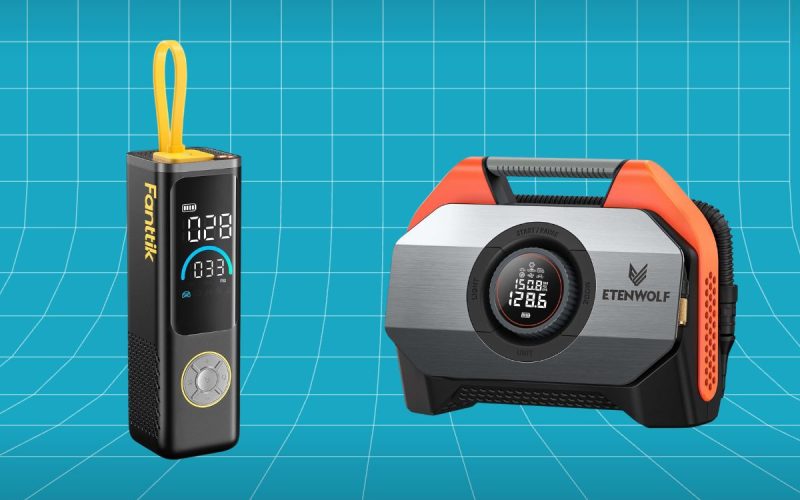
Fanttik X9 APEX vs ETENWOLF VORTEX S6: Premium Tire Inflator Showdown
Fanttik X9 APEX vs ETENWOLF VORTEX S6: Premium Tire Inflator Showdown The Fanttik X9 APEX vs ETENWOLF VORTEX S6 matchup…
What PSI Should Car Tires Be? The Right Pressure for Every Vehicle
What PSI Should Car Tires Be? The Right Pressure for Every Vehicle What PSI should car tires be? For most…